

Every day, we make countless choices — from what to eat for breakfast, to how we respond in tense conversations, to the beliefs we stand by. What often goes unnoticed is the invisible push and pull at work beneath our decisions. At the center of this subtle psychological dance is cognitive dissonance: the uncomfortable feeling we get when our beliefs, actions, or perceptions don’t match up.
What is cognitive dissonance?
We have all felt it: the moment our mind tries to hold two thoughts that just don't fit together. Imagine arguing for healthy eating, but grabbing a donut when no one is watching. Or, supporting environmental causes while driving a car that guzzles fuel. That jarring sensation, that small pang of conflict, is cognitive dissonance at work.
Cognitive dissonance describes the discomfort or tension that arises when we hold two or more contradictory beliefs, attitudes, or actions. This phenomenon shapes not just big, life-altering decisions, but the simple, everyday choices we hardly think about.
How dissonance shapes what we choose
We rarely make decisions in a vacuum. Values guide us, but so do habits, peer pressures, and self-justifications. Every time we act against a belief — or start to doubt a favorite idea — cognitive dissonance pops up, forcing us to resolve the inner friction. We often do this by:
- Changing or justifying our actions
- Altering our beliefs to fit choices already made
- Avoiding information that challenges our current views
Consider this real-life scenario: you purchase an expensive gadget, only to hear from friends that a cheaper one performs just as well. That uneasy feeling can push you to search for information that proves your purchase was superior, or cause you to ignore the criticism altogether.
We adjust, justify, or avoid so we can keep feeling right about what we do.
Everyday examples you’ll recognize
It is one thing to talk about theory. But cognitive dissonance seeps into ordinary decisions:
- Eating habits: Reading about the benefits of healthy food, then reaching for fast food. We might downplay the risk or promise ourselves "just this once" to ease the tension.
- Workplace shortcuts: Valuing honesty but covering up a small mistake. We may convince ourselves “everyone does it sometimes,” softening the sting of contradiction.
- Buying decisions: Investing in a trendy product we don’t really need, then seeking positive reviews to back up our choice.
- Relationships: Rationalizing a friend’s rude behavior because admitting the truth could threaten the friendship.
The drive to reduce inconsistency can affect even the smallest daily choices — sometimes without us ever realizing it.

Why do we try so hard to resolve the discomfort?
We want to see ourselves as logical and consistent. When thoughts or actions don’t match, tension grows. That discomfort might be slight, like choosing the dessert when you promised to eat well. Or, it can feel intense, like questioning a belief you’ve held for years.
To escape the tension, we often do one (or a mix) of these:
- Change what we believe: Adopting a new idea to match our actions
- Adjust what we do: Shifting behavior to align with values
- Rationalize: Creating new reasons that make our choices seem right
Some people might even forget or repress the conflicting memory, simply to quiet the mind.
We protect our self-image by smoothing over what feels wrong inside.
How dissonance can shape decisions over time
In our experience, patterns of decision making shaped by cognitive dissonance can become habits. Over time, the strategies we use to reduce discomfort are repeated, and they may impact:
- Consumer preferences: Brand loyalty can grow when people justify past purchases, defending their choices as “the best.”
- Personal growth: Admitting mistakes or confronting uncomfortable truths takes courage, but it also makes room for real growth.
- Relationships: Avoiding hard conversations to reduce dissonance might preserve short-term harmony, but can cause long-term distance.
We believe it is useful to pay attention to these patterns. Noticing when we are smoothing over contradictions can open the way for more thoughtful and honest choices.
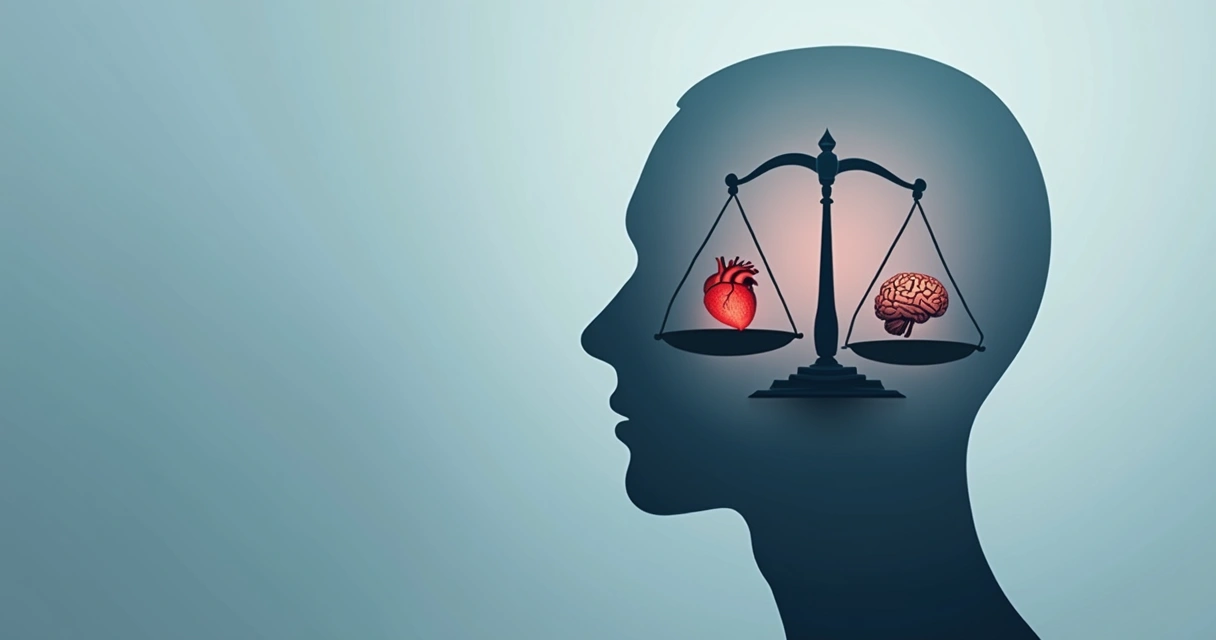
Can cognitive dissonance make us better decision-makers?
This inner conflict is not always negative. In fact, we have seen that, when faced directly and honestly, it can foster learning and resilience. Here are a few ways it could help:
- It highlights the gaps between values and reality, creating space for self-examination
- It encourages adapting beliefs and behaviors when new evidence appears
- It prompts growth by inviting us to choose more consciously
Of course, not everyone welcomes this tension. Sometimes, we prefer the comfort of quick justifications. But for those who learn to face the discomfort, there may be freedom to grow beyond old habits and see more clearly.
Tension can be a signpost toward meaningful change.
Practical ways to notice and make use of dissonance
We can become more conscious of when cognitive dissonance is guiding us. Some tips that may help include:
- Pause when you feel uneasy after a choice. That discomfort is worth noticing, not hiding.
- Ask yourself what you believe, and if your action matches up. This can reveal the root of the tension.
- Be open to change. Sometimes, the easiest path is to justify or ignore the conflict, but openness leads to greater self-honesty.
When you spot your own dissonance, see it as a healthy signpost, not a flaw. It is a natural hiccup that comes from having values and being asked by life to live them.
Conclusion
Cognitive dissonance is a constant, often invisible part of our everyday decision making. It whispers when our beliefs and behaviors clash, nudging us to adjust, justify, or change. By learning to see these moments, we can make choices that fit better with who we want to be, deepening both understanding and integrity in our lives.
Frequently asked questions
What is cognitive dissonance?
Cognitive dissonance is the mental discomfort people feel when they hold conflicting beliefs, attitudes, or actions. This tension pushes people to seek consistency by changing their thoughts, actions, or how they interpret information.
How does cognitive dissonance affect choices?
Cognitive dissonance can influence decisions by making individuals change their beliefs, rationalize actions, or avoid information that challenges what they already think. This often leads to choices that reduce discomfort and maintain a sense of internal harmony.
Can cognitive dissonance be reduced?
Yes, cognitive dissonance can be reduced by changing beliefs, adjusting behaviors, or finding new explanations to align the two. The process may happen consciously or unconsciously, and people often choose the path that feels easiest or causes the least discomfort.
Why do we experience cognitive dissonance?
We experience cognitive dissonance because we prefer to see ourselves as consistent and reasonable. When actions and beliefs don’t agree, it threatens that self-image, causing discomfort that we try to resolve.
How to recognize cognitive dissonance in myself?
You may notice cognitive dissonance as feelings of unease, guilt, or frustration after making a choice that doesn’t fit with your values or beliefs. Reflecting on why you feel that way can reveal where your actions and beliefs are out of sync.