

Metacognition has transformed the way we learn, solve problems, and even interact daily. As we approach 2026, understanding metacognition feels less like a scholarly preference and more like a core skill for conscious living. In our experience, those who nurture metacognition find themselves with sharper focus, better learning outcomes, and a noticeably deeper sense of presence in their own lives.
What is metacognition, and why does it matter?
Metacognition is not just thinking about thinking. It is our capacity to step back, observe our mental processes, and guide them intentionally. We have come to see it as the difference between being lost in thought and recognizing you’re thinking in the first place.
Awareness is the first step to real change.
The word itself means “beyond cognition.” It includes how we plan, monitor, and assess how we learn, remember, or make decisions. We believe it is a core part of both academic success and everyday maturity.
- Metacognition supports insight: It helps us notice the limits of what we know and catch our biases before they trap us.
- Metacognition guides self-improvement: We can adapt strategies when we realize something isn’t working.
- Metacognition builds autonomy: By watching our mind’s patterns, we better direct our own learning and decisions.
When metacognition is present, we spot moments when our attention drifts. Instead of continuing down an unhelpful path, we adjust. This flexibility is at the heart of conscious living in 2026.
The two core parts of metacognition
We often describe metacognition as having two main aspects, both with their own unique qualities.
Metacognitive knowledge
Metacognitive knowledge is our understanding about our own thinking processes, the tasks at hand, and strategies to approach those tasks. It includes:
- Knowing how we learn best (like whether reading, discussing, or drawing helps)
- Recognizing the difficulty of a problem or remembering what helps us focus
- Understanding strategies such as note-taking or self-testing
Metacognitive regulation
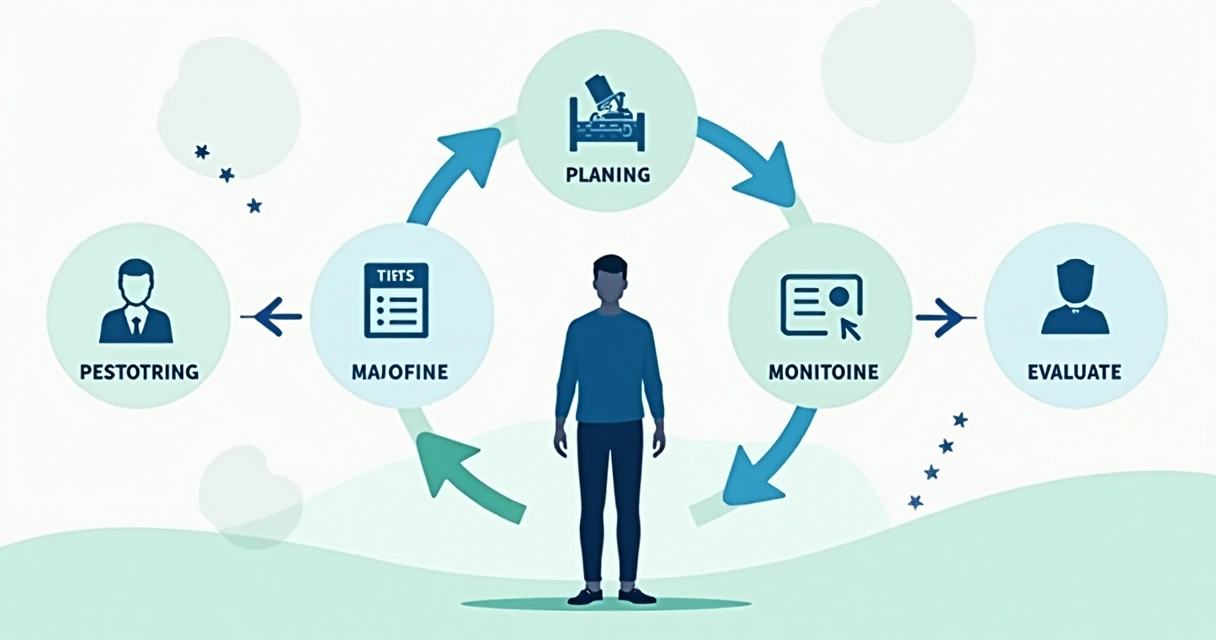
This is the action part. Regulation includes awareness of what we are doing, monitoring our progress, and adjusting our approach if we get stuck. In our daily life, we practice regulation when we pause, reflect, and choose a new approach if needed.
- Planning: Deciding how to tackle a task
- Monitoring: Checking if we are on track
- Evaluating: Assessing our results and strategies after we finish
How metacognition shapes learning and consciousness
We have observed that metacognition makes learning much more active. Instead of simply absorbing facts, we question, connect, and recall information better. In 2026, as digital information grows, the ability to filter, adapt, and organize knowledge consciously becomes more urgent.

We see the following benefits for those who nurture metacognition:
- Better memory retention: Knowing which memory strategies work helps us remember more, for longer.
- Improved focus: By tracking our attention, we get back on track faster when distracted.
- Flexible thinking: Recognizing when our current plan fails gives us permission to try a new one.
- Greater autonomy: We set our own goals, track our progress, and redirect our efforts intentionally.
These skills are not only for students. We have noticed managers, parents, and artists all benefit from metacognitive awareness. It shapes the way we listen, have conversations, and create solutions in groups.
What gets in the way of metacognition?
Despite being natural, metacognition does not always happen on its own. Our environment, habits, and sometimes our beliefs may make it harder. We’ve found these common obstacles:
- Distractions: Constant interruptions make it tough to pause and reflect.
- Fixed mindsets: Believing intelligence is unchangeable can stop us from seeking better strategies.
- Overconfidence: Assuming we understand something without checking can block deeper learning.
- Lack of self-questioning: Never asking if there’s a better way leaves us on autopilot.
Awareness alone is not enough. What transforms metacognition into daily practice is the choice to observe, ask, and adjust.
Easy ways to nurture metacognition in 2026
We have found a few approaches that make a difference, no matter your age or background. These are not complicated but work best when they become habits.
- Self-questioning: At each step, pause and ask small questions like, “What am I trying to achieve?” or “Does this make sense so far?” This helps keep thoughts in view.
- Reflective writing: After any learning or decision, write down what worked, what didn’t, and why. Over time, patterns emerge.
- Goal setting and reviewing: Set your own targets. Later, look back: Did you reach them? What needs changing?
- Feedback seeking: Invite others to point out things you might miss. External viewpoints can spark real insight.
- Mindful pauses: Built-in breaks create breathing room for metacognitive awareness to grow.
We encourage people to make these strategies part of daily routines. It could be as simple as a review at the end of every day or a brief pause before each task.
Metacognition and emotional clarity
In our experience, metacognition is closely tied with how we feel and manage emotions. By watching not only our thoughts but also our emotional reactions, we add a second layer of awareness. This is what helps turn emotion into insight instead of confusion.
When we notice a strong feeling, metacognition invites us to pause and ask: What caused this? What does it teach? Instead of being pulled into mood swings, we become active participants in our inner world.
- Recognize the emotion
- Question its source
- Choose a helpful response
Metacognition, then, is more than a mental skill. It is a bridge between thoughts and feelings, creating the foundation for conscious presence.
In summary: Metacognition as a guide for conscious living
In 2026, metacognition gives us practical ways to learn, adapt, and lead a meaningful life. We have seen its benefits reach far beyond school or work. By adding small habits – self-questioning, reflecting, and creating mindful pauses – we open doors to clearer thinking and richer self-awareness.
Metacognition is the habit of watching our minds so we can grow, learn, and live with greater intention.
Frequently asked questions about metacognition
What is metacognition in simple terms?
Metacognition means being aware of your own thinking and learning how to guide it. It is noticing when you are focused or distracted, and making choices to help yourself understand better.
How can I improve my metacognition?
Start by asking yourself questions as you learn or solve problems. Write down your reflections after a task. Set clear goals and check back to see your progress. Over time, these habits strengthen metacognitive skills.
Why is metacognition important for learning?
Metacognition helps you plan how to learn, notice when you don’t understand, and fix your approach. This leads to better memory, deeper understanding, and greater confidence in any subject.
Are there exercises to boost metacognition?
Yes. You can use self-questioning, journaling after learning sessions, seeking feedback, and taking mindful breaks. These exercises create space for awareness and help you guide your learning.
Is metacognition useful in daily life?
Metacognition is valuable every day, not just for learning but also for making choices, managing emotions, and building good habits. By stepping back and reflecting, you can respond more wisely to challenges in any situation.