

Modern life constantly asks us to adjust, to adapt, and sometimes, to completely rethink what we believe or expect. This unique mental skill is called cognitive flexibility. Through our own research and daily observations, we’ve seen how essential this ability is in shaping our emotional responses, learning, and even our well-being. Let’s take a closer look at what cognitive flexibility is, what it looks like, and how we can grow it in our lives.
Understanding cognitive flexibility
Cognitive flexibility is the mental ability to shift our thinking and adapt our perspective in response to new information, changing rules, or unexpected situations. It helps us approach problems from different angles, change strategies quickly, and embrace new ideas without feeling overwhelmed.
Think about moments when plans change last minute: do you adapt, or do you get stuck on what "should have happened"? Cognitive flexibility plays a direct role in how we face these moments.
How does cognitive flexibility work?
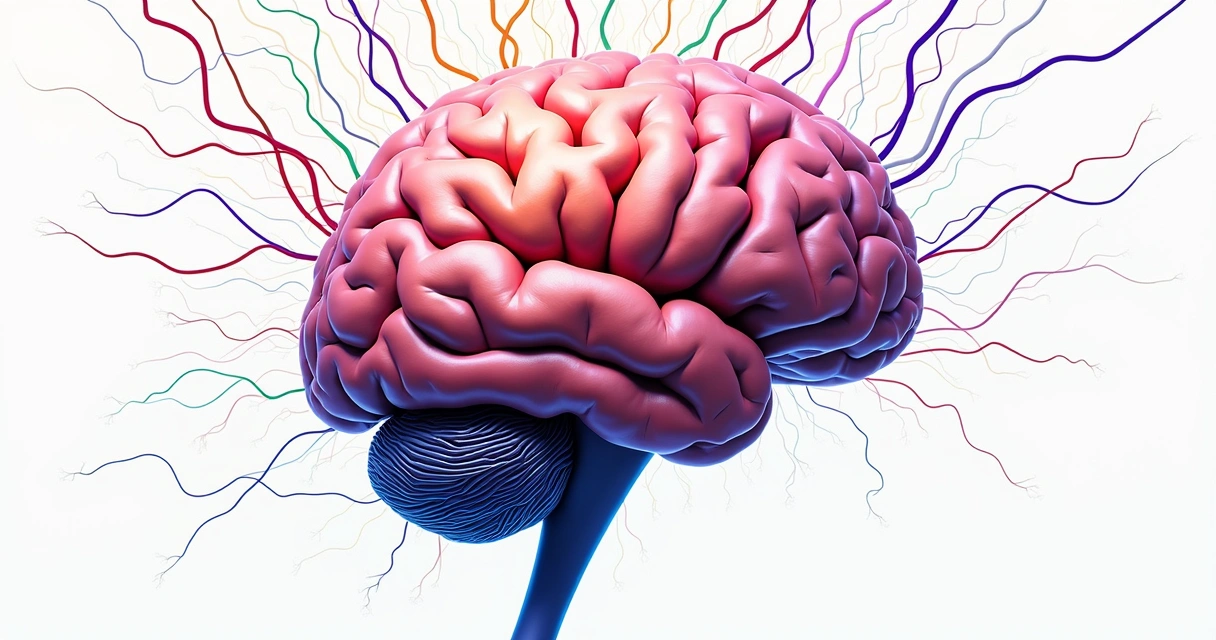
Our brains contain complex networks responsible for processing information, making decisions, and solving problems. Cognitive flexibility relies on these networks – especially those involving the prefrontal cortex. This area of the brain helps us:
- Shift attention between different tasks or ideas
- Switch strategies when one is not working
- Suppress automatic or habitual responses to create space for something new
- Balance different perspectives when facing a challenge
Instead of getting trapped in rigid thinking, flexible minds can pause, reflect, and choose new approaches with greater ease.
Benefits of cognitive flexibility
We’ve seen that cognitive flexibility can bring many positive changes to our daily lives. These are some of the effects people often observe:
- Improved problem-solving. When one approach fails, flexible thinkers can find another way.
- Resilience in the face of stress. Adjusting expectations and strategies helps us bounce back faster.
- Better learning. Changing perspectives allows us to absorb new information more effectively.
- Enhanced social interactions. Flexibility helps us see issues from others’ viewpoints and negotiate smoothly.
- Greater emotional balance. When plans change, flexible thinkers adapt rather than dwell.
Change is less threatening when we know we can respond.
Where does cognitive flexibility show up?
We encounter opportunities for cognitive flexibility almost everywhere in daily life. When we notice our child’s learning needs have shifted, or when we must quickly create a backup plan after a schedule change, those are classic moments when cognitive flexibility is in action. We also rely on this skill when:
- Learning a new language and switching between words or grammar rules
- Managing conversations at work that require openness to many viewpoints
- Adjusting our approach after unexpected feedback
- Letting go of a favorite routine when something better appears
Everyday life keeps offering us small, subtle exercises in cognitive flexibility.
What reduces cognitive flexibility?
In our experience, cognitive flexibility can decrease for various reasons, often without us even noticing. Some factors that make this skill harder to use include:
- Chronic stress or anxiety, which narrows focus and reduces openness
- Rigid routines that discourage new experiences
- Sleep deprivation, leading to foggy thinking
- Strong attachment to habits or personal beliefs
- Medical conditions impacting cognitive function
We have noticed that fatigue or high pressure makes it harder for anyone to shift mindsets. Often, it helps just to pause, breathe, and create a little space before choosing how to respond.
How can we strengthen cognitive flexibility?
Increasing cognitive flexibility is not about adopting a new set of tricks overnight. It’s a gradual process of retraining thought patterns. We recommend focusing on these areas:
1. Develop awareness of fixed thinking
The first step is simply noticing when we become stuck in one idea or strategy. Perhaps we resist changes to schedules, or we always argue from the same point of view. Awareness is the first sign we can start to shift.
2. Embrace novelty
Each time we try something unfamiliar, even in small ways, our brains build new pathways. This might mean:
- Taking a new route to work
- Trying a cuisine we've never tasted before
- Starting a hobby unrelated to our usual interests
- Changing our daily morning routine
New experiences help disrupt rigid patterns, leaving us more open to alternative approaches.
3. Practice re-framing challenges
Instead of seeing a setback as a roadblock, we can practice seeing it as a signal to try something different. Asking simple questions like “What else could I do?” or “How else could I look at this?” can loosen rigid thinking.
4. Strengthen emotional regulation
Emotional outbursts or anxieties often come from feeling threatened by change. Cultivating calm with practices like meditation, mindful breathing, or even a short walk can provide enough space to think flexibly during stress.

5. Stay curious and keep learning
People who ask questions and search for new knowledge often show more flexible thinking. Curiosity helps us see beyond our current limitations. Reading, open discussion, and exposure to new cultures can be powerful tools.
Growth begins where certainty ends.
Barriers and myths about cognitive flexibility
Some people believe cognitive flexibility is a trait you have or you do not. Our research and observation tell a different story: it can grow with conscious effort at any stage of life. It’s also not just about changing opinions quickly or being indecisive. It’s the thoughtful process of considering alternatives and shifting when it serves our well-being or values.
There is also the misconception that only “creative” people are flexible. In reality, anyone—no matter their role or personality—can practice and improve this skill.
Conclusion
Cognitive flexibility affects much more than decision-making. It shapes the way we face change, stress, interactions, and growth in all areas of life. By paying attention to our patterns, welcoming new experiences, and regulating our emotional states, we open the door to a more adaptive and fulfilling daily existence. Through our own work and interactions, we have seen countless examples of its positive effect. The ability to shift, adapt, and rethink is a quiet strength that changes everything.
Frequently asked questions
What is cognitive flexibility?
Cognitive flexibility is the mental skill that allows us to shift our thinking, adapt our focus, and change our approach in new or unexpected situations. It involves letting go of fixed ideas or habits when they no longer serve us and being open to fresh perspectives.
How can I improve cognitive flexibility?
You can improve cognitive flexibility by exposing yourself to new situations, practicing mindfulness, embracing small changes in daily routines, and actively seeking out different viewpoints. Reading diverse materials and engaging in creative exercises can also encourage more adaptive thinking.
Why is cognitive flexibility important?
Cognitive flexibility allows us to adjust to changing environments, solve problems more effectively, handle stress with greater ease, and build stronger, more understanding relationships. This skill supports personal development and adaptability in nearly every area of life.
What are signs of low cognitive flexibility?
Signs include difficulty adapting to change, insisting on familiar routines even when they do not work, trouble seeing things from another’s point of view, or feeling stuck when facing unexpected challenges. People with low cognitive flexibility may struggle with stress when routines are disrupted.
Can cognitive flexibility help with stress?
Yes. Being more flexible in our thinking and responses enables us to cope better with unexpected changes and uncertainty, which often reduces stress. By shifting perspectives and trying new strategies, we can manage challenges with a calmer mindset.