


We live in a world where children are expected to manage rushes of joy, frustration, curiosity, and anxiety before they have the tools to name or express them. As parents, it is easy to feel uncertain about how we can guide young minds through their own inner weather. Still, we believe that teaching emotional literacy—the ability to recognize, understand, and respond to emotions—forms a foundation for a child’s lifelong wellbeing.
Raising a conscious child begins with raising our own awareness.
Throughout our work, we have seen that emotional literacy does not develop by accident. It grows within homes where parents are present, intentional, and open. In the following sections, we share our approach to conscious parenting and explain how emotional literacy can take root and blossom in the family.
What does emotional literacy mean?
Most of us were encouraged to behave, achieve, and "be good," but seldom learned to ask, "What am I feeling?" Introducing the idea of emotional literacy is more than labeling sadness or happiness. Emotional literacy means being able to identify, understand, and express one’s feelings in words, as well as being able to empathize with the feelings of others.
In practice, an emotionally literate child may say, “I’m angry because my friend took my toy,” instead of hitting or withdrawing. This clarity gives children options and helps them find healthy solutions.
Why conscious parenting matters
We see conscious parenting as a process that calls on us to pay attention—not just to our children’s needs, but also to our own states, values, and responses. This is not about being perfect or never making mistakes. Rather, it is about being willing to learn together as a family.
When parents are present and reflective, children sense that their feelings matter. In this environment, children feel seen, heard, and accepted. When emotional moments arise, families that nurture emotional literacy can address them with empathy and understanding, rather than confusion or shame.
How to nurture emotional literacy in everyday life
Building emotional literacy is a daily process that thrives on small, regular actions. Here are some ways we have found effective:
- Name emotions together: Speak feelings aloud. “You seem disappointed that we cannot go to the park.” This practice helps give a vocabulary for experiences that can feel confusing or overwhelming.
- Share our own feelings honestly: Be open about your emotional state. For instance, “I am feeling worried about something at work, so I might be a bit quieter today.” This shows children that feelings are natural and manageable.
- Validate and accept: Let children know their emotions are okay, even when they are uncomfortable. “It makes sense to feel angry when your tower falls. I get frustrated too.”
- Reflect and listen: Stop to truly listen before giving advice or solutions. Sometimes, a hug or a sympathetic ear is all that is needed.
- Model healthy coping: Show—and verbalize—what you do when strong feelings arise. “When I feel sad, I like to take a walk or talk to someone I love.”
Small routines, such as sharing “highs and lows” at dinner or reading books together about emotions, reinforce learning and connection. We notice how children become more at ease naming their feelings over time when these practices are steady and genuine.
Common barriers and how to move past them
Sometimes, families meet obstacles when beginning this journey. Some parents have grown up in homes where emotions were ignored or punished. Others may feel uncomfortable talking about their feelings. We have seen these barriers, and we believe that gentle persistence helps.
Here are some common challenges and what can help:
- Feeling awkward or uncertain: Start with small steps. Use simple words for feelings and expand as comfort grows.
- Fear of opening up: Remember, sharing emotions does not mean sharing every detail. Just letting your child know you have feelings is enough.
- Time pressure: Building emotional skills can fit into small moments—bedtime, walks, car rides—rather than adding another task to your day.
- Children dismissing questions: Resist forcing conversations. Consistency and patience often work better than pressure.
Modeling conscious presence
One of the greatest gifts we can offer our children is our own conscious presence. In our experience, the way we react to stress, show kindness, or handle mistakes serves as a living lesson. Children absorb our attitudes—our sighs, our laughter, even our pauses.

To model conscious presence, we:
- Pause before reacting to our child’s big emotions.
- Take responsibility for our own mistakes, apologizing when needed.
- Practice mindfulness, even for a minute, to stay grounded during family conflicts.
Children learn by watching more than listening, and every act of conscious care shapes the environment they grow in.
Supporting emotional development at different ages
We have seen that children’s needs shift as they grow. Our language, expectations, and strategies benefit from adjusting through the years. For example:
- Young children—ages 2 to 5—benefit from concrete words for emotions and stories that feature feelings and their solutions. They often need help naming and showing what they feel with their bodies.
- School-age children can talk more about what caused an emotion, what might help, and how to repair hurt feelings. Encouraging reflection and listening helps them gain nuance.
- Teens respond well to honest, open conversations that respect their growing independence. Sharing our own mistakes can create trust and connection.
One approach does not fit all. When we learn to adjust, we show our children we are paying attention to their unique journey.
Making emotional literacy a family value
When families put emotional literacy at the center of their daily life, children are more likely to:
- Build self-confidence and a stable sense of identity
- Develop resilience to stress and setbacks
- Form supportive, respectful relationships
- Handle peer pressure and social challenges with greater ease
As children grow into adults, these tools help in school, work, and every meaningful relationship. We have watched children who learned the language of feelings become adults who guide others through difficulty and joy.
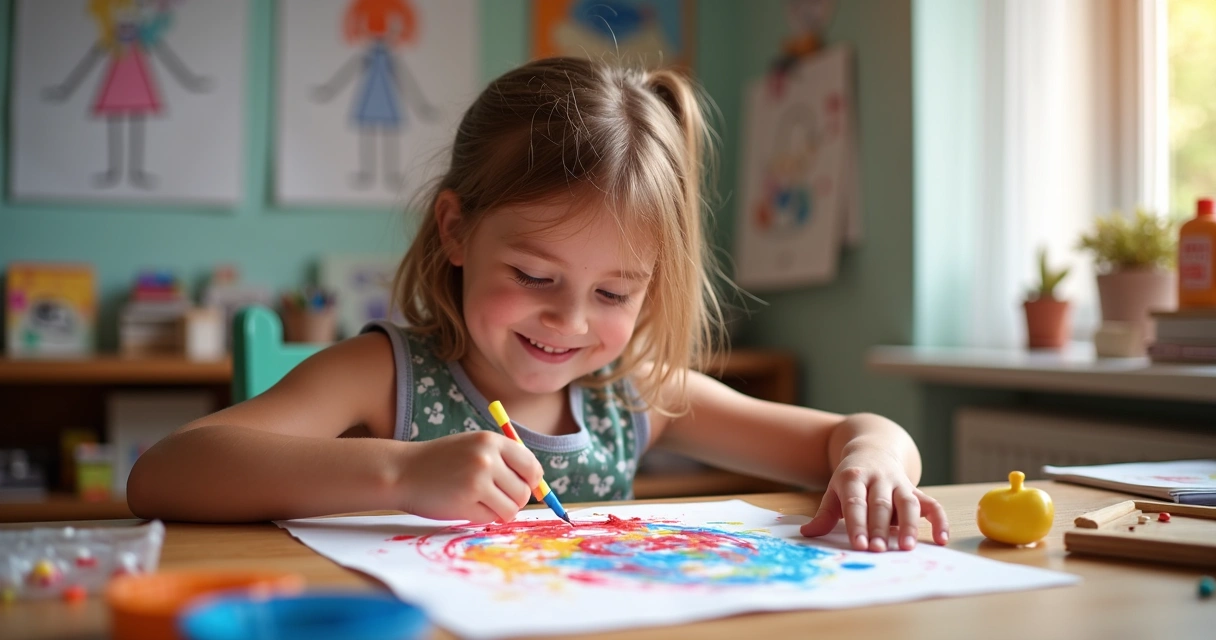
When we teach feelings, we teach freedom.
Conclusion
We believe that conscious parenting, grounded in emotional literacy, transforms not just children, but entire families. Every act of recognition, empathy, and reflection opens space for wisdom and connection. Emotional literacy is not a lesson to be mastered in a day, but a set of habits that grow over years—together, in the ordinary moments of family life.
By listening, naming, and responding with care, we lay the ground for our children to become adults who face the world with compassion, presence, and strength.
Frequently asked questions
What is conscious parenting?
Conscious parenting is a mindful approach to raising children that focuses on self-awareness, empathy, and building strong relationships based on respect and understanding. Rather than relying on automatic responses or old habits, conscious parents reflect on their own behaviors and strive to nurture their children's emotional and psychological growth.
How to teach kids emotional literacy?
We recommend starting by naming and discussing emotions regularly, using simple and clear language. Encourage children to express their feelings, listen actively, and validate what they share. Reading storybooks that focus on emotions, creating art, and reflecting together on daily experiences can all foster emotional literacy.
Why is emotional literacy important?
Emotional literacy helps children understand themselves, build resilience, and create healthy relationships. When kids can name and express their feelings, they are less likely to act out through aggression or withdrawal. Emotional literacy supports problem-solving, empathy, and adaptability through life's challenges.
How can parents model emotional skills?
We think parents can model emotional skills by acknowledging their own feelings openly and respectfully, pausing before reacting, apologizing for mistakes, and demonstrating healthy ways to cope with stress. Children learn emotional skills most powerfully by observing how adults respond to both positive and difficult moments.
What are common mistakes in conscious parenting?
Some common mistakes include ignoring children's emotions, trying to fix feelings too quickly, or expecting perfection from ourselves or our children. Avoiding honest conversations about emotions and failing to adapt as children grow can also limit emotional development. We have seen that progress happens through patience and willingness to learn alongside our children.