

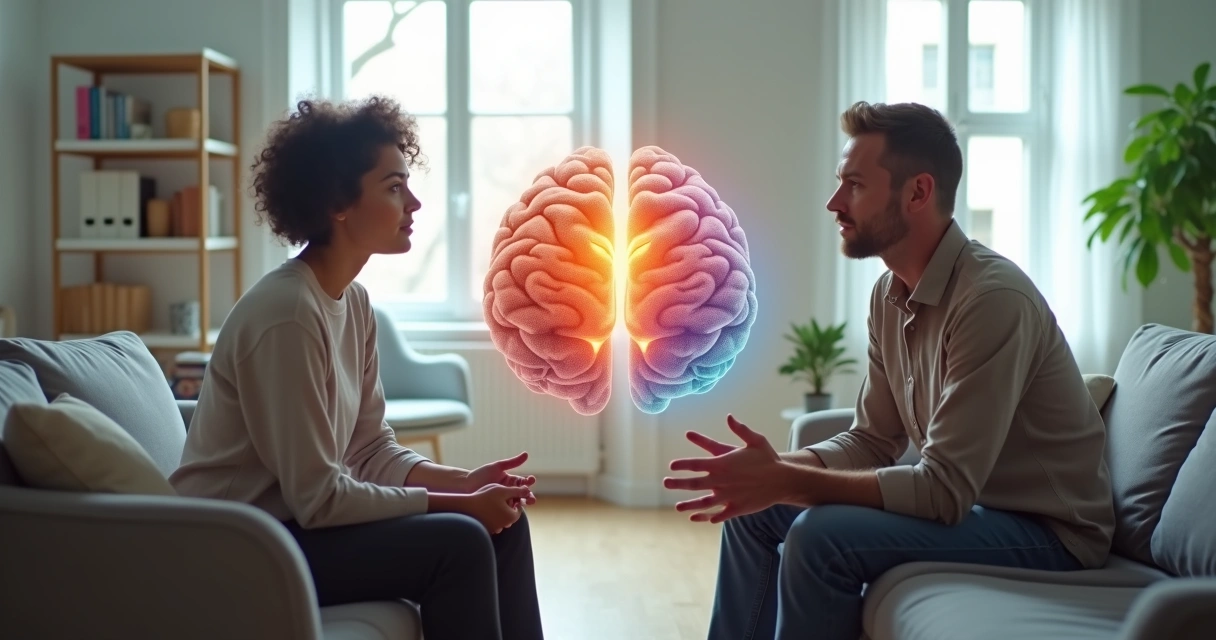
Empathy, often celebrated as a bridge between people, is part of our social toolkit. It allows us to sense and understand what others feel. Most of us have been told that empathy is good, maybe even necessary for kindness and connection. But is empathy always helpful? With new research and fresh perspectives coming out in 2026, we find ourselves re-examining empathy’s real impact on our lives.
What is empathy and why do we experience it?
Empathy is more than just “feeling with” someone. We think of it as a set of skills that let us step into another’s shoes—sometimes emotionally, sometimes intellectually. Scientific literature describes two main types:
- Affective empathy: We share or mirror another person’s feelings. This might look like tearing up when someone cries.
- Cognitive empathy: We tune in to what someone else is thinking or feeling, but from a mental or analytical perspective. Here, we understand but may not “catch” their emotion ourselves.
Over the past century, psychologists have explored why we evolved to feel empathy. Our best theories suggest it’s linked to cooperation, survival, and social learning. In daily life, empathy helps us connect, resolve conflicts, and show care. But can too much empathy become a problem?
When empathy supports well-being and relationships
For most people, moderate empathy powers positive action. Consider some everyday examples:
- Comforting a friend after a hard day.
- Understanding when a colleague struggles with burnout.
- Making choices that consider the needs of others, not just our own.
Research continues to show that children raised in empathic environments are more likely to form strong, healthy relationships. Empathy is also linked to improved negotiation, reduced aggression, and a higher likelihood of cooperation in group settings.
So far, so good. We see empathy is a force for connection. Yet, in our experience, things are not always so simple.
Sometimes empathy helps, but sometimes it hurts.
What science in 2026 says about empathy’s downsides
We are now seeing a shift in how empathy is studied and discussed. Recent science paints a more nuanced picture. Too much empathy, or empathy used without boundaries, can actually cause harm—in surprising ways.

Here’s what stands out from the latest research:
- Empathic distress: If we absorb another’s suffering too much, we may feel overwhelmed or helpless ourselves. Chronic empathic distress can contribute to anxiety, low mood, and burnout—especially for caregivers, therapists, and those exposed to repeated trauma.
- Compassion fatigue: Those who provide constant support or care risk losing sensitivity over time. Repeated exposure to others’ pain can “numb” us or lead to emotional withdrawal.
- Bias and selective empathy: Science now confirms that empathy is not equally spread among all. We tend to empathize more with people who resemble us or share our beliefs, sometimes reinforcing social or cultural divides.
- Enabling unhealthy dynamics: Consistently putting ourselves in others’ shoes may cause us to overlook our own boundaries, leading to codependence or enabling harmful behavior.
These findings tell us empathy is not automatically good, nor is more always better. In our research, we see that unchecked empathy can erode mental and emotional balance if not managed carefully.
How can empathy become harmful in daily life?
Let’s look at some situations. If you notice yourself absorbing the suffering of everyone around you, you may find:
- Losing focus on your own needs and values.
- Difficulty making decisions because you over-prioritize other people’s feelings.
- Physical or emotional exhaustion, especially in social or caregiving roles.
- Developing resentment or frustration when your care is not returned.
This doesn’t just happen by accident. Many of us are taught not to say no, or to believe that putting ourselves first is selfish. Instead, science in 2026 points to a new path: balance, self-awareness, and healthy boundaries.
Finding balance: Cultivating wise empathy
If empathy taken to extremes can have negative effects, what is the alternative? Increasingly, psychologists talk about “wise empathy”—empathy guided by clarity and self-regulation.
- Pause to reflect before jumping in to share another’s pain.
- Ask yourself: is this a moment for action, or quiet presence?
- Practice self-care as much as care for others.
- Recognize your own limits—emotionally, physically, and mentally.
Wise empathy includes not only feeling with others but also knowing when to protect your energy and set healthy limits.
Some experts also highlight the shift from empathy to compassion. Compassion includes an emotional response but is less likely to lead to distress or exhaustion. We think it is worth practicing compassion over mere empathy, using our awareness to help rather than dissolve into suffering.

The latest tools for measuring empathy
Science continues to refine ways to measure empathy in 2026. Common assessment tools include:
- Self-report questionnaires, such as the Interpersonal Reactivity Index.
- Neuroimaging techniques to see how the brain responds during empathetic tasks.
- Behavioral observations in controlled experiments or real-life settings.
Each method gives a piece of the picture. Still, it is our daily choices and awareness that shape how empathy shows up in our lives.
Conclusion: Empathy as a conscious choice
Empathy continues to shape our relationships, choices, and sense of connection. But as science in 2026 shows, empathy is not always helpful—and sometimes, it can harm if unchecked. The challenge is not to feel less, but to feel wisely. By bringing self-awareness, boundaries, and compassion to our practice of empathy, we give it its best chance to help us—and those we care about—thrive.
Frequently asked questions
What is empathy in simple words?
Empathy means understanding and sharing another person's feelings or experiences. It is about recognizing what someone else is going through, either emotionally or mentally, and caring about that experience, even if it is different from our own.
Is empathy always a good thing?
No, empathy is not always good in every situation. While it can strengthen relationships and support others, too much empathy without boundaries can lead to emotional exhaustion or difficulty making healthy choices for yourself. Balance and self-awareness are key to making empathy a positive force.
Can too much empathy harm you?
Yes. Science shows that too much empathy can create stress, burnout, or even anxiety. Absorbing too much of others’ pain can make it harder to care for yourself and keep healthy boundaries. Finding balance helps protect your wellbeing while still supporting others.
How does science measure empathy?
Empathy is measured using self-report questionnaires, brain imaging studies, and observing behavior in real-life or experimental situations. Each method gives us different information about how empathy works and how much it influences thoughts and behavior.
When should I limit my empathy?
You should limit your empathy when you notice your own well-being is at risk, or when helping someone is causing harm to yourself or enabling unhealthy patterns. Setting boundaries and practicing self-care are signs of mature empathy, not selfishness. Knowing your limits allows empathy to remain a healthy and helpful presence in your life.