Most of us like to think we’re fair-minded. We tell ourselves that at work, we judge our colleagues and decisions based on facts, not feelings or first impressions. Yet, deep beneath our awareness, hidden influences shape the way we perceive others, select team members, and make routine choices. This is unconscious bias at work, and what no one tells us is just how deeply it affects everything, sometimes in ways we might never notice without honest reflection.
Where does unconscious bias really start?
At its core, unconscious bias begins in the mind’s automatic way of processing information. From a young age, we collect mental shortcuts to sort the world efficiently. Our brains group things and people, building up associations, often without our consent or control.
So, in the workplace, these internal shortcuts run quietly in the background. Sometimes, they whisper doubts about a candidate based on a name. Other times, they nudge us to trust someone because they remind us of ourselves. We may not even recognize our reactions as bias. They just feel "natural."
The hardest biases to change are the ones we do not see.
The biases nobody talks about
We hear a lot about bias linked to age, gender, or ethnicity. These are critical. But there are many others, subtle and invisible, that we seldom address:
- Affinity bias: Favoring people who share our interests or background.
- Confirmation bias: Seeking evidence that supports our existing beliefs or opinions about someone.
- Conformity bias: Aligning our views with a group, even if we disagree privately.
- Affect heuristic: Letting our emotions about a person or situation affect our judgment.
- Appearance bias: Making assumptions based on looks or physical presentation.
In our experience, it isn’t just managers or hiring staff who hold these biases. Everyone, from interns to executives, can be influenced by them. Bias doesn’t care about job titles.
How unconscious bias shapes our daily choices
We often picture bias as something that only affects the hiring process or promotions. It’s bigger than that. Unconscious bias shapes the way we:
- Assign tasks or projects
- Offer feedback or support
- Listen during meetings
- Value input from certain voices
- Build friendships at work
These small, regular decisions accumulate, building a culture that quietly echoes bias instead of fairness. For example, we might consistently offer stretch assignments to employees we “just click with,” without knowing it. Or we might give someone’s idea more weight because of where they went to school.
The hidden cost nobody mentions
Unconscious bias chips away at trust, morale, and sense of belonging. Over time, it can lead to:
- Poor team collaboration
- Missed opportunities for talented staff
- Higher turnover for those who feel unseen or undervalued
- Innovation stalling as voices are sidelined
The cost is rarely seen in a spreadsheet, but shows up in the culture and attitudes we sense every day.
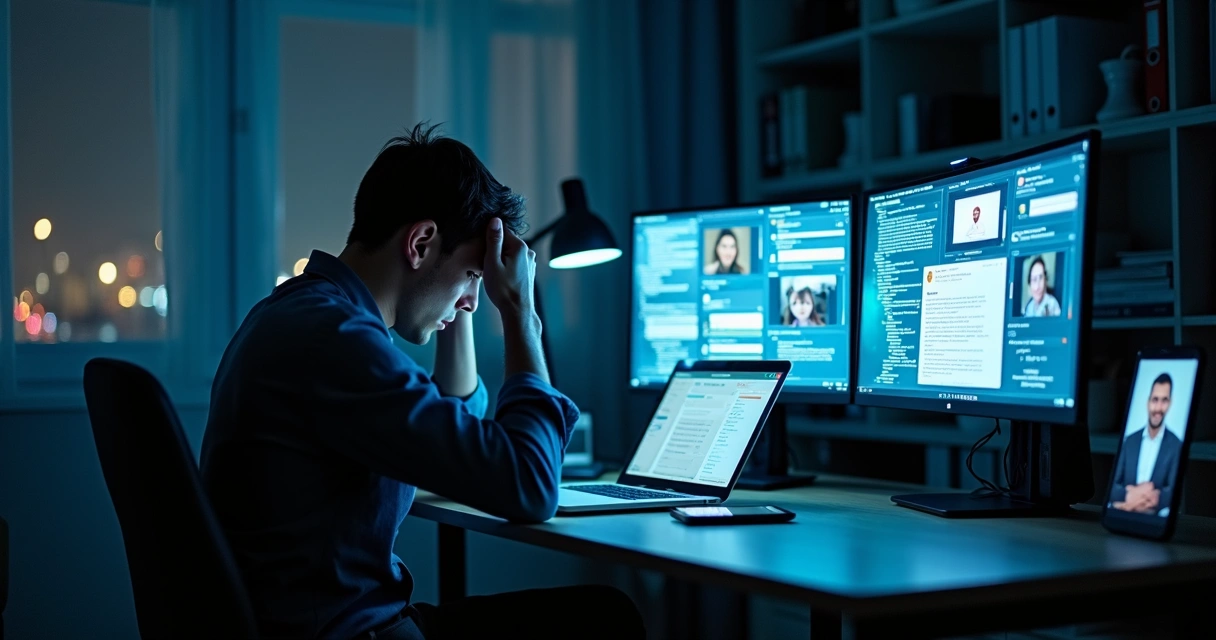
We’ve noticed people can feel this long before any policy says there’s a problem. A sense of not being "in the room" where choices are made, of having to work twice as hard to be recognized, or of fearing mistakes will be judged more harshly. It wears people down.
Why it is so hard to notice our own bias
There’s a deeply uncomfortable truth here: The more strongly we see ourselves as fair, the more likely we are to miss our hidden biases. Self-image gets in the way of honest evaluation. Admitting to bias feels like admitting to moral failure. But it doesn’t mean we’re bad people. It means we’re human, and our brains are wired this way.
Bias thrives in silence and denial.
There are everyday habits that make these patterns even harder to see:
- Busy routines and split-second decisions
- Rarely asking for feedback about our behavior
- A lack of genuine diversity in our daily circles
- No time set aside for self-reflection or honest discussion
The truth is, bias is not always about intention, but often about unawareness.
What most bias trainings forget
Many workplaces hold bias training sessions. Some of us have attended more than a few. What’s rarely said out loud is that knowing about bias isn’t the same as changing it. Training can help us see the problem, but transformation comes from what we do afterwards.
Effective change begins outside the training room, in the real moments where bias lurks unnoticed: shortlisting candidates, giving praise, or distributing workloads. Training is a spark, not a solution by itself.
What actually helps with unconscious bias?
Based on what we have seen and heard from people in many fields, these approaches make a real difference:
- Building regular self-reflection into the workday. That might be as simple as pausing to ask, “Why did I choose this person for the task?”
- Seeking feedback from those most likely to see our blind spots
- Questioning our first reactions when evaluating others
- Rotating team members or responsibilities to break up hidden alliances
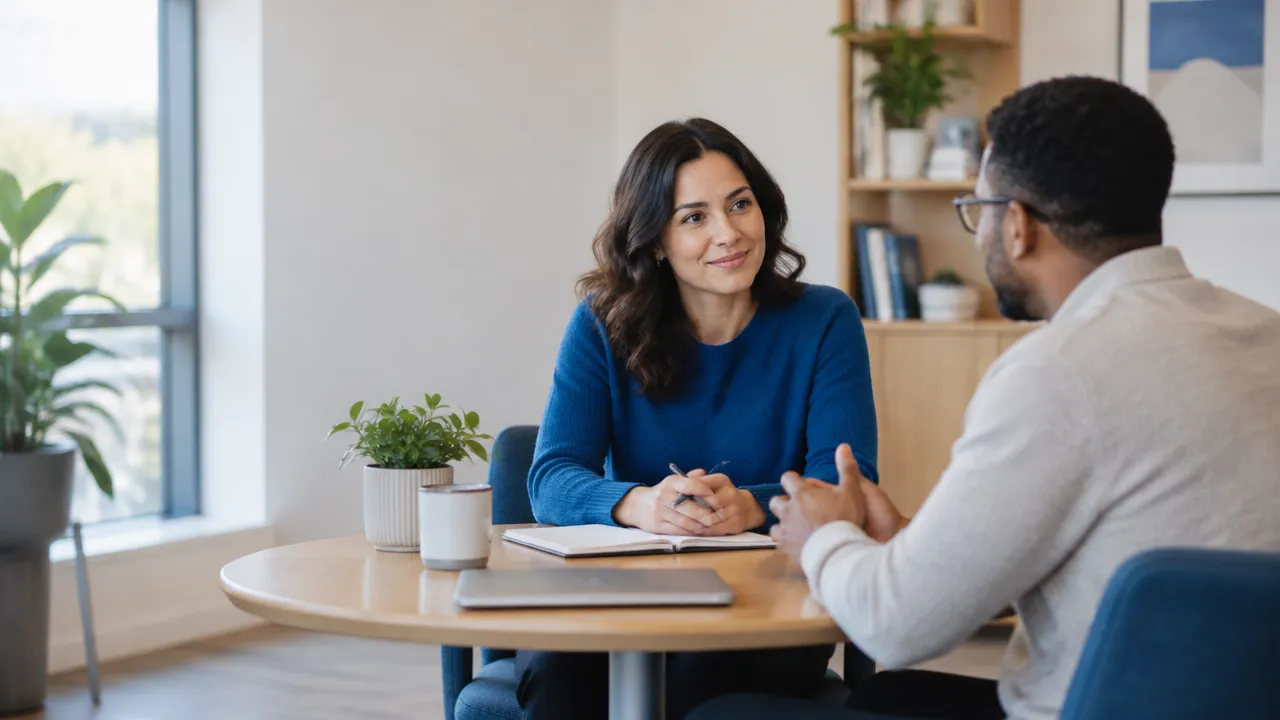
- Creating an environment where people feel safe to call out bias and discuss impact, not just intent
Asking brave questions, both to ourselves and others, is the real start of change.
Conclusion
Unconscious bias at work remains hidden not because we lack good intentions, but because it’s built into our thinking. We see the impact in who gets heard, whose ideas get traction, and who feels they belong. No training or policy alone will erase these habits. But awareness, followed by action and honest conversation, can help us build a more thoughtful, fair, and engaging workplace. The first step is to recognize that none of us are immune, and together, we can choose to see what has always been right in front of us.
Frequently asked questions
What is unconscious bias at work?
Unconscious bias at work refers to automatic judgments or stereotypes we make about people or situations without realizing it. These biases influence decisions, feedback, and interactions in subtle ways, often without any conscious intent.
How can I identify my own bias?
Begin by noticing your first reactions to people or ideas and questioning where those feelings come from. Ask for honest feedback from colleagues, especially those who see things differently. Regular self-reflection and openness to being challenged are key tools for becoming aware of your own bias.
Why does bias matter in the workplace?
Bias can shape opportunities, team dynamics, and overall workplace culture. It affects who gets recognized, who feels included, and how fairly decisions are made. Over time, unchecked bias can erode trust and limit diversity of thought.
How to reduce unconscious bias at work?
To reduce unconscious bias, make self-reflection a habit, encourage diverse perspectives, and foster a culture where people feel safe to speak up about bias. Rotate roles and seek feedback from others, especially those whose views or experiences differ from yours.
Can training really help with bias?
Training raises awareness and starts important conversations, but lasting change comes from what happens next. Real progress depends on applying what is learned in daily decisions, having honest dialogue, and holding each other accountable for growth.