


We have all noticed how a poor night's sleep can turn a day upside down. Sometimes, even after just one restless night, small problems feel bigger and patience feels thin. This subtle but real connection between sleep quality and emotional life is worth our full attention.
What is sleep quality and how do we notice it?
We often focus on “how many hours” we sleep, but sleep quality is so much more. It refers to how well we fall asleep, stay asleep, and move through natural cycles of deep and light rest. Good sleep quality leaves us feeling refreshed, clear-headed, and better able to meet the challenges of a new day.
Rested minds handle emotions with more balance.
Signs that our sleep quality is low may include:
- Frequent awakenings or restlessness
- Difficulty falling asleep
- Waking up too early and finding it hard to get back to sleep
- Feeling tired or irritable after a full night in bed
- Trouble remembering things or making decisions
Sleep is the nightly reset button for mood and emotional clarity.
The brain, sleep, and our emotions
In our research and observations, we find a deep connection between brain patterns during sleep and the way we respond emotionally in waking life. While we sleep, our brains sort memories, process experiences, and restore chemical balance. These processes are not just passive, they build our resilience.
Key emotional centers in the brain, like the amygdala and the prefrontal cortex, rely on high-quality sleep. When sleep is short or shallow, these parts of the brain become less able to regulate reactions. This can mean quicker frustration, sadness, or anxiety, even over small triggers.
The amygdala and emotional reactivity
The amygdala is a part of the brain tied to emotion and alertness. After poor sleep, activity in the amygdala can jump much higher than usual. This makes us more sensitive to stress and more likely to react strongly.
The prefrontal cortex and self-control
This area at the front of the brain helps us plan, reflect, and balance our reactions. If sleep quality is disrupted, the prefrontal cortex “talks” less clearly with the amygdala. The results often include
- Low patience for annoyances
- Trouble pausing before reacting
- Difficulty naming and calming emotions
We have seen how these changes can impact relationships, learning, and self-image too.
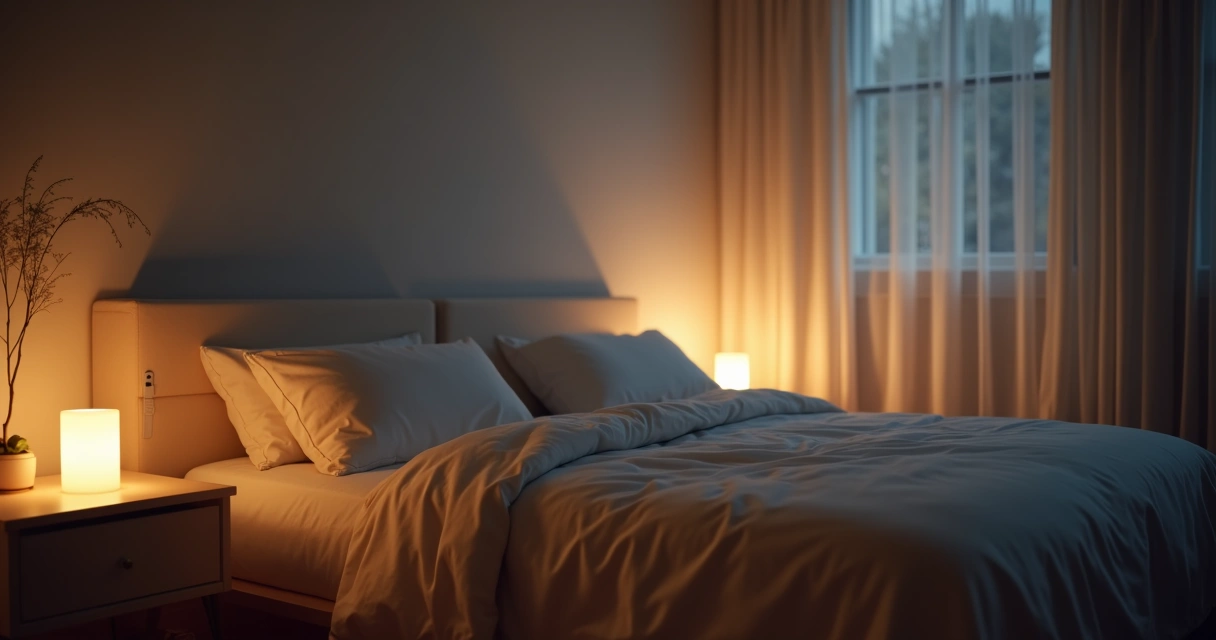
How sleep shapes our mood each day
In our experience, moods rarely stand on their own. They draw from the quality of sleep the night before, often in ways that go unnoticed until patterns emerge. Even just one night of disrupted sleep can lead to:
- Increased irritability
- Reduced ability to enjoy positive experiences
- Worry or negative thinking that feels hard to shake
- Less willingness to engage with others
- Lower motivation and interest in activities
Good sleep makes it easier to recover from emotional setbacks. With poor sleep, the mood “sticks” longer, and our ability to bounce back weakens.
On the opposite side, people who regularly sleep well feel more grounded. They show more curiosity, stronger hopefulness, and steadier patience.
Spotting the difference: one night vs. a pattern
Missing one night of good sleep is something most of us can bounce back from. But, if low-quality sleep becomes a habit, the effects add up. We start to see shifts not just in “bad days” but in our overall mood baseline. Sometimes, old strategies to feel better, like taking a walk or talking with friends, just do not seem to work as well. This is an early signal the mind and body need more and better sleep.

Why does poor sleep hurt emotional balance?
In our experience, when we sleep badly, the body produces more stress hormones like cortisol. These changes push the mind towards more negative thoughts and stronger, faster emotional reactions. Over time, this cycle can become self-reinforcing: less sleep, more negative feelings, then even less sleep going forward.
This can feel like:
- Feeling tense or on edge for no clear reason
- Losing interest in things that usually matter
- Struggling with self-doubt or worry more than before
Good sleep forms the foundation for emotional healing, while poor sleep keeps wounds open longer.
What helps restore restful sleep?
If we want steadier moods and stronger emotion regulation, basic sleep skills matter. These practices have helped many people in our experience:
- Keeping a regular sleep and wake schedule, even on weekends
- Careful winding down before bed: reading, gentle stretches, or soft music
- Avoiding caffeine or heavy meals shortly before bedtime
- Managing light: bright light in the morning, less light in the evening
- A comfortable, quiet, and cool bedroom
- Limiting screen use at night, as bright screens can disrupt natural sleep rhythms
If trouble sleeping persists, sometimes it helps to keep a journal of sleep patterns and emotional changes for a week or two. Patterns often show themselves this way. If the problem does not improve, looking for professional support can help identify underlying causes.
Learning from our nights: conscious rest and self-awareness
Even a brief moment of self-reflection each evening, asking, “How did I sleep, and how do I feel?” opens the path to more awareness of mood and energy. By noticing small changes, we gain more choice and control over our emotional direction.
Rest shapes our emotional story, night after night.
Conclusion
We believe the relationship between sleep quality, emotions, and mood is both direct and powerful. When we rest well, emotions become clearer and easier to manage. With poor sleep, even small feelings can be overwhelming. Noticing our patterns, nurturing restful habits, and respecting the mind’s need for restoration are the first keys to better days. By caring for our nightly habits, we change the path of our emotional lives in quiet but steady ways.
Frequently asked questions
What is sleep quality?
Sleep quality refers to how deeply and restfully we sleep, including how quickly we fall asleep, how often we wake during the night, and whether we wake up feeling refreshed. High sleep quality is more about how good our sleep feels and less about just the number of hours.
How does sleep affect mood?
Sleep affects mood because good sleep helps balance brain chemicals and makes emotional centers more stable. After restful sleep, people tend to feel more positive, patient, and able to handle stress. Poor sleep, on the other hand, can lead to irritability, sadness, or anxiety.
Can poor sleep cause emotional problems?
Yes. Chronic poor sleep can make emotional regularity harder to achieve and raise the chance of moodiness, sadness, and stress. Over time, it can even contribute to emotional disorders if not addressed.
How to improve sleep for better mood?
To improve sleep, create a calm nighttime routine, keep a consistent bedtime, and make the bedroom quiet, cool, and dark. Avoid caffeine and screens before bed. All of these habits help set the stage for better rest and steadier moods.
Is more sleep always better for emotions?
Not always. While getting enough sleep is important, oversleeping can sometimes have negative effects too. It is the quality and natural rhythm of sleep that matter most, not just the number of hours spent in bed.