

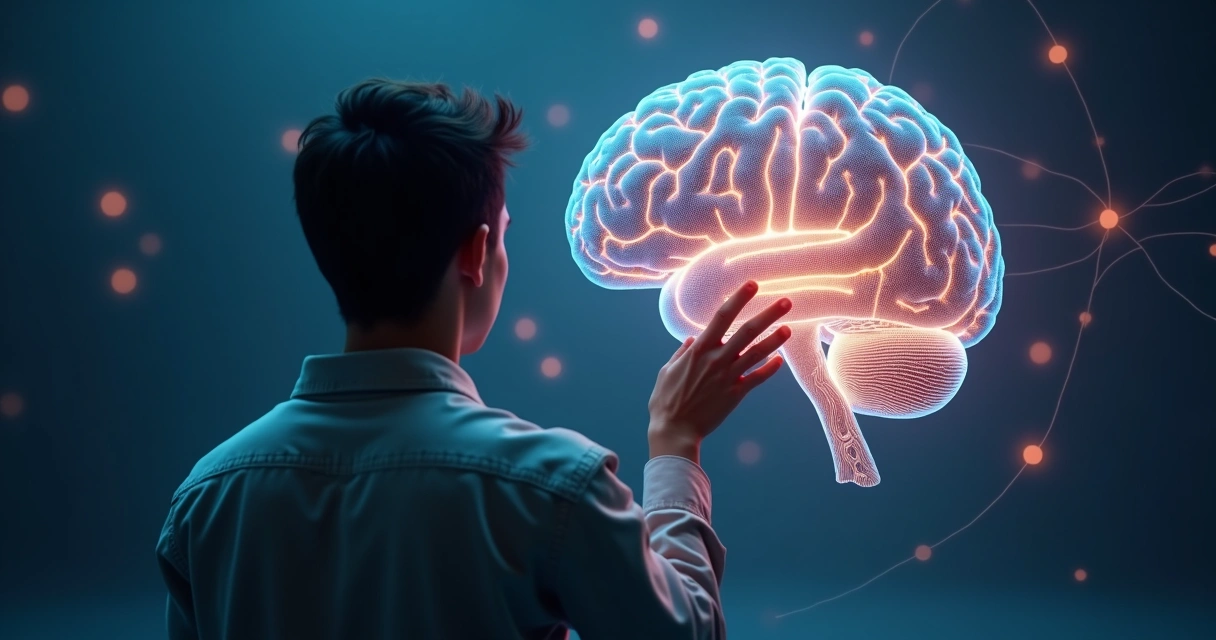
Change can feel slow, like pushing a rock up a hill. Yet beneath each attempt to form a new habit or break an old one, our brains whisper hope. We believe in this hope, because neuroplasticity—our brain’s capacity to reshape itself—means change is always possible. Let’s look at what practical neuroplasticity can offer for those ready to take conscious steps toward better habits.
Understanding neuroplasticity in daily life
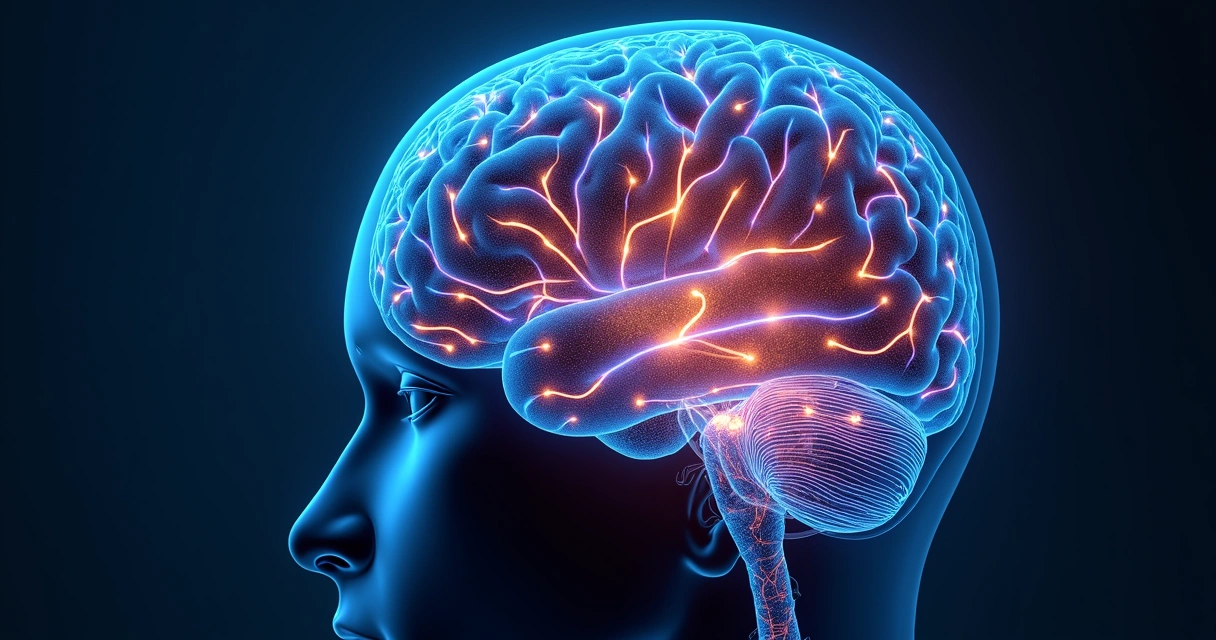
Neuroplasticity is not just a distant concept for scientists. It is a living, ongoing process where the brain rewires itself in response to experiences. In our own lives, this means every repeated thought, emotion, and action leaves a trace on our brain’s wiring.
You might remember learning a new language or picking up an instrument. At first, the task felt unnatural or slow. Repetition, however, brought changes. That is neuroplasticity at work—the brain carving out new pathways and strengthening the ones you use most.
Why do habits feel hard to change?
Habits are brain shortcuts. They allow us to perform frequent actions with less energy and fewer decisions. Over time, the brain builds strong connections to make these routines automatic. The more we repeat a habit, the deeper these connections become.
“The brain is shaped by what we do often, not by what we do rarely.”
So when we decide to change a habit, we are not fighting a momentary urge. We are working to weaken old patterns and build new, stronger ones. This is where conscious effort matters.
Conscious effort as the key to neuroplastic change
Many ask: “Can I really reshape my habits, no matter my age or how long I’ve had them?” From our experience, the answer is yes. Conscious effort brings your intention into the process. This means you do not rely on autopilot, but actively redirect your mind and actions.
By bringing awareness to each step, we can teach our brains new ways to think and act.
The stages of habit change through neuroplasticity
Changing a habit is a journey. While everyone’s path is unique, we see three main stages that neuroplasticity supports:
- Awareness: First, recognize the pattern you want to change. Without awareness, you can’t redirect your energy.
- Disruption: With intention, interrupt the old pattern. This could mean pausing before acting, changing your environment, or creating a small obstacle to the unwanted behavior.
- Replacement: Build a new pattern. This requires repeating the desired behavior—especially when the urge for the old habit appears. The repetition, not the perfection, matters most.
Each time you repeat a new behavior, you nudge your brain towards change.
Making conscious effort part of your routine
If habit change starts with conscious effort, how do we make that effort last? In our view, most success stories include simple, sustainable tools. Here’s what we see working:
- Mindfulness practices: Taking a few minutes each day to sit quietly, observe your thoughts, or focus on your breath trains your mind to notice patterns before you act on them.
- Journaling: Writing down when old habits show up helps identify triggers and track progress.
- Visual cues or reminders: Subtle changes in your environment—a sticky note, a new arrangement, or an alarm—help keep conscious effort in view.
- Celebrating small wins: Each successful interruption of an old habit strengthens your belief and the brain’s new connections.
Real change grows from consistent small choices, not sudden transformations.
Dealing with setbacks without losing progress
Setbacks are not failure. We know from experience that mistakes are signals of old neural pathways firing up. Instead of guilt or frustration, bringing gentle curiosity can help. When you notice yourself slipping into an unwanted habit, pause and ask:
- What triggered this?
- How did I feel just before?
- What could I try next time?
This reflective practice keeps your focus on learning, not perfection. It is a conscious effort that itself reshapes your brain towards resilience and adaptability.
How do routines support brain change?
Routines help the brain by adding consistency. Imagine you’re forming a new habit, such as walking each morning. Doing it at the same time and place gives your brain a familiar “path” to follow, making it easier to stick with over time.

Small routines create strong neural paths.
Over weeks, you notice less resistance. The behavior “sticks”—the brain’s connections make this once-difficult task automatic.
When does conscious effort become automatic?
There comes a moment when the new habit feels easier than the old one. In our observation, this transition does not happen overnight. Depending on the person, the behavior, and the effort applied, it may take several weeks or even months.
The key is consistency. Each act of conscious effort tells the brain, “This matters.” Over time, the brain pivots its wiring toward this new reality.
Persistence gives your brain the data it needs to build lasting change.
What does practical neuroplasticity teach us?
Looking back on stories of habit change, a pattern emerges. The science of neuroplasticity affirms what many have felt: change is possible, not just hoped for. We see real-world results—improved self-control, healthier routines, and greater mental flexibility—when individuals make conscious efforts, one day at a time.
Your brain changes with you.
Every attempt to shift a habit, even if imperfect, is an act of teaching the brain what to value.
Conclusion
The promise of neuroplasticity is both simple and profound: the habits we live by today can become the skills, strengths, and perspectives we wish for tomorrow.
By applying conscious effort, tracking progress, and responding to setbacks with curiosity, we can change even the most deeply rooted patterns. Each step repeats the message to our brains—change is possible, and it begins with awareness and intention. The path may be slow, and there will be days when progress hides. Still, guided by practical neuroplasticity, we’re not just hoping to change. We are building the very wiring that supports a new way of living.
Frequently asked questions
What is neuroplasticity in simple terms?
Neuroplasticity is the brain’s natural ability to change its structure and function in response to what we do, think, and feel. It means the brain can grow new connections and let go of old ones at any stage of life.
How can I change a bad habit?
To change a bad habit, first notice when and why it happens, then interrupt the pattern, and keep practicing a new behavior in its place. Make the process easier by using reminders, tracking your actions, and celebrating every bit of progress.
How long does neuroplasticity take to work?
Time varies for everyone. Some people notice small changes in a few weeks, while others may need months. What matters most is how often and consistently you practice the new habit or behavior.
Is changing habits really possible for adults?
Yes, adults can change their habits thanks to neuroplasticity. The brain continues to adjust and grow, no matter our age, especially when we put in regular, conscious effort.
What are the best tips for new habits?
Start small, keep the new habit simple, and attach it to something you already do each day. Use visual reminders, stay patient, and treat any setbacks as learning opportunities. Over time, small actions add up to lasting change.