


We often think emotions begin inside us, as if they rise on their own. In daily life, that is only part of the story. Our senses are always active. They bring in light, sound, texture, taste, smell, and body signals. Then the mind gives meaning to those signals. From that moment, mood starts to form.
Sensory perception is one of the main ways emotional reality takes shape from morning to night.
We see this in small moments. A harsh alarm can bring tension before our feet touch the floor. Warm sunlight through a window can soften the mind. The smell of coffee may bring comfort, not only because of the drink, but because memory joins the sensation. A crowded bus, a cold room, a soft blanket, a loud voice, a familiar song. None of these are neutral for long.
Our emotional life is not made only of thoughts. It is also made of contact with the world.
How the senses guide feeling
Each sense gives the brain a stream of signals. The brain does not receive them like a machine receiving raw data. It sorts, compares, predicts, and links them to past experience. That means two people can stand in the same room and feel very different things.
We may enter a bright store with music playing and feel alert. Another person may feel pressure and fatigue. We may hear rain and relax. Another person may hear the same sound and feel loneliness. The sensory event is shared, but the emotional result is personal.
Emotion is shaped not only by what we sense, but by how the mind interprets what it senses.
That is why sensory perception matters so much in self-understanding. It shows us that feeling is relational. It grows at the meeting point between world, body, and memory.
Why some senses hit harder in certain moments
Not all sensory input affects us in the same way at all times. Context changes everything. When we are tired, noise feels sharper. When we are sad, colors can seem dull. When we are anxious, even a light touch may feel intrusive.
We have noticed that some conditions make perception more emotionally charged:
Lack of sleep can lower tolerance for sound and light.
Stress can make ordinary sensations feel intense.
Past memories can turn a smell or song into a strong trigger.
Physical pain can narrow attention and darken mood.
In this sense, perception is not fixed. It changes with our inner state. At the same time, our inner state changes because of perception. The process moves both ways.
We feel through the body first.
This is one reason emotional regulation is not just about changing thoughts. Sometimes we need to change what surrounds the body.
What research tells us
Current findings support what many of us observe in daily life. A study from the Korea Brain Research Institute on sensory modality and emotional perception found that visual and auditory emotional stimuli do not affect the brain in the same way. Visual signals produced stronger frontoparietal activation than auditory ones, which suggests that the type of sensory input can shape both emotional perception and neural response.
That helps explain why an image may stay with us longer than a sound, or why visual clutter can shift mood so fast. The channel matters. The sense involved matters. The emotional meaning is not floating free from perception.
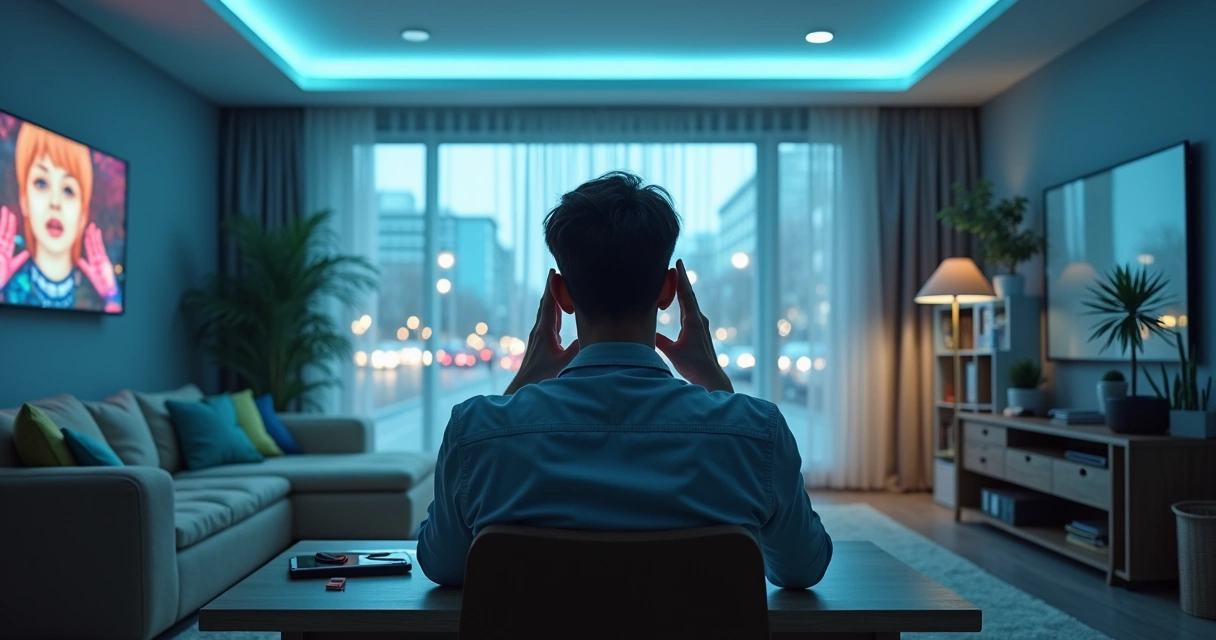
Another finding shows the process can also move in reverse. Research from Texas A&M University on emotion and tactile sensitivity found that fear reduced the ability to discriminate touch, while anger did not produce the same effect. This means that emotion can alter how clearly we sense the world.
The senses shape emotion, and emotion can also change the accuracy of the senses.
That loop is part of everyday life. We may think we are reacting to facts, when we are also reacting to a body state that has already filtered perception.
The hidden role of memory
A scent can bring back a whole season of life. A voice tone can awaken old caution. A fabric texture can calm us for reasons we do not notice at first. Memory gives emotional charge to sensation, often in silence.
We might walk into a room and feel uneasy before we know why. Then we realize the detergent smell is the same one used in a place linked to grief. Or we hear dishes clatter in the kitchen and feel safe because it recalls family evenings. Sensory experience and autobiographical memory are often tied closely together.
This is why healing and emotional maturity require attention to subtle triggers. The body often knows before language arrives.
How daily environments shape mood
Many emotional patterns are supported by repeated sensory settings. We do not always notice this because repetition feels normal. Still, the nervous system notices.
It helps to observe a few areas of life with honesty:
The sound level of our home and work spaces.
The amount of natural light we receive.
The smells linked to comfort or stress.
The textures we wear and rest against.
The pace of digital stimulation during the day.
We may find that irritability is not only a personality issue. Sometimes it is accumulated sensory strain. We may also find that calm is easier to access when the environment stops pushing the nervous system so hard.

Simple ways to work with sensory awareness
We do not need a perfect life to become more aware of these patterns. We can start with observation. A short pause during the day can reveal a lot.
We suggest paying attention to three kinds of questions:
What am I sensing right now?
What feeling rises with it?
What changes when I reduce, soften, or replace this input?
Small adjustments often help:
Lower one source of noise when the mind feels crowded.
Open a window or change lighting when heaviness builds.
Choose textures and scents that support calm during rest.
Step away from screens when visual input feels draining.
These are not grand actions. Still, they can change the tone of a whole afternoon. We have seen that emotional clarity often begins with sensory clarity.
Conclusion
Each day, our senses help write the emotional meaning of our lives. What we hear, see, touch, smell, and taste does more than inform us. It positions us. It prepares the body. It colors thought. It can widen presence or tighten it.
When we understand this, we stop treating emotion as something vague or random. We begin to notice patterns. We become more able to care for attention, space, and rhythm. That shift is quiet, but deep.
To know our emotions better, we must also learn how we perceive.
Frequently asked questions
What is sensory perception?
Sensory perception is the process by which we receive and interpret information through the senses, such as sight, hearing, touch, smell, taste, and internal body signals. It is not only detection. It also includes how the brain gives meaning to what is sensed.
How does sensory perception affect emotions?
Sensory perception affects emotions by shaping how safe, alert, calm, or overwhelmed we feel. A sound, smell, texture, or visual scene can trigger comfort, stress, fear, pleasure, or sadness, especially when linked to memory and context.
Can sensory perception be improved?
Yes. We can improve sensory perception by practicing mindful attention, reducing excess stimulation, sleeping well, and observing how different environments affect us. With awareness, we often become better at noticing subtle sensory cues and their emotional effects.
How to manage overwhelming sensory input?
We can manage overwhelming sensory input by lowering noise, dimming harsh light, reducing screen exposure, taking breaks, and moving to calmer spaces. Slow breathing and simple grounding actions also help the nervous system settle when stimulation becomes too much.
Which sense most impacts emotional state?
There is no single sense that affects everyone most. Vision often has a strong effect because it carries a large amount of information quickly, but sound, smell, and touch can also shape emotion in powerful ways. The strongest influence depends on the person, the situation, and past experience.