


Everyday stress seems almost inescapable. We wake with thoughts of tasks left unfinished, our phones buzz throughout the day, and even small interruptions can shift our mood. Underneath it all, emotions pulse and influence what we do and how we relate to others. However, we believe that emotional self-regulation is not just possible—it can become a steady tool for a balanced life.
Understanding emotional self-regulation
Emotional self-regulation is the skill of recognizing, managing, and responding to emotions in ways that are thoughtful and healthy. When we practice it, we don't deny our feelings or ignore stress. Instead, we learn to approach them openly and thoughtfully.
The process starts with observation. Often, we only notice our emotions once a reaction—an argument, a sigh, or even tears—has occurred. But self-regulation encourages us to spot emotions before they spill over. It's the small pause before we respond, the moment we take a breath, or the decision to step outside for air.
Notice first, then choose your response.
How do emotions shape our daily stress?
Emotions are a constant in daily life; they signal safety or threat, connection or distance. While short bursts can push us to act, chronic, unmanaged stress can wear down both body and mind. We find ourselves irritable, our focus slips, and sleep may be hard to find.
Emotions can also work for us. Joy helps us move through the hardest days, and hope can transform obstacles into challenges worth facing. Self-regulation helps us harness this power.
Key steps for emotional self-regulation
- Increase emotional awareness – The first step is always to pay attention. Naming the emotion—anger, sadness, joy, or anxiety—gives us space to act with care.
- Practice pause and breathing – Unhurried breathing sends calm signals to your body. Pause before responding; even five seconds can change outcomes.
- Challenge automatic thoughts – When stress hits, the mind often jumps to the worst. Pausing gives a chance to check: Are these thoughts facts, or fears?
- Choose helpful actions – Sometimes it helps to walk, journal, or even listen to calming music. The goal: interrupt the stress cycle and return to clarity.
- Reflect and learn – After an emotional wave, we suggest reviewing what happened. What worked? What would you try next time?
Success lies in small, repeated efforts. Emotional self-regulation grows with practice, not perfection.
Simple techniques for stressful moments
In our experience, practical techniques are what make emotional self-regulation available to everyone. Consider these simple steps:
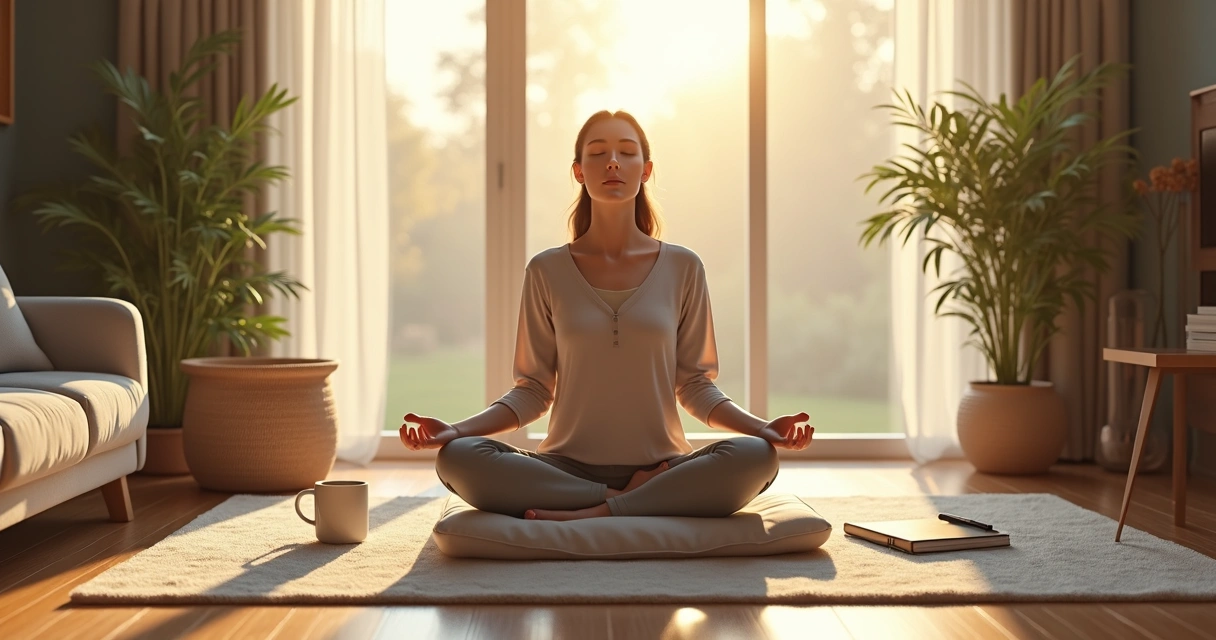
- Mindful breathing: Sit comfortably, close your eyes, and breathe in slowly for four seconds. Hold for four. Exhale for six. Repeat until you feel a shift.
- Label your feeling: Speak it, write it, or think it: "I feel overwhelmed." This reduces the hold of intense emotion.
- Look around and describe: Name five things you can see, hear, or touch. This brings you back to the present moment.
- Grounding pose: Place your feet flat on the floor, sit tall, and roll your shoulders back. Imagine roots growing from your feet into the earth.
- Self-talk: Offer yourself some kindness: "It's okay to feel stressed. I am doing my best."
Sometimes what matters is not the technique itself, but the care with which we use it.
Building new habits
We’ve noticed that the way we respond to stress is often shaped by patterns developed over years. To change a habit, start with one area of your day. For example, try using mindful breathing before a weekly meeting. Or pause for self-talk when you notice tension while driving.
The key is repetition—habits form when actions become regular and familiar. We cannot expect old patterns to vanish overnight, but we gain power with each small step.
The role of self-reflection
Self-regulation improves with regular self-reflection. Sometimes at the end of a busy day, we sit quietly and ask:
- What triggered my stress today?
- How did I respond?
- What did I learn about myself?
Over time, these answers help us spot our own stress triggers. We become more able to notice warning signs, choose our responses, and care for ourselves with kindness instead of impatience.

When stress feels unmanageable
Most days, using these techniques brings us steadiness. However, if stress does not lessen, or if emotions make daily functioning hard, it may be time for more support. Everyone faces tough seasons. Even the most practiced in self-regulation need extra help occasionally.
Seeking support is an act of self-kindness, not weakness.
Conclusion
We are often asked if emotional self-regulation is achievable, or if it is just a wishful idea. In what we have seen and practiced, it is a skill that anyone can grow. It asks for attention, patience, and self-kindness instead of rapid fixes.
Strong emotions may always come and go, but our responses can remain steady, guided by awareness and simple habits. Day by day, self-regulation helps us face challenges with more confidence, steadiness and care for ourselves and others.
Frequently asked questions
What is emotional self-regulation?
Emotional self-regulation is the process of observing and managing our emotions in thoughtful, healthy ways, rather than reacting impulsively or ignoring our feelings. It means pausing, naming how we feel, and choosing how to respond, even during stressful situations.
How can I manage stress daily?
Managing daily stress often involves noticing your emotional state, practicing breathing techniques, and using positive self-talk. Scheduling short breaks, maintaining healthy routines, and reflecting on your feelings also help lower stress levels over time.
What are simple self-regulation techniques?
Simple self-regulation techniques include slow, mindful breathing, labeling your emotions, grounding exercises, and using gentle, supportive self-talk. These actions help reduce intensity and give space for more thoughtful reactions when facing stress.
Is emotional self-regulation worth learning?
Learning emotional self-regulation improves relationships, increases resilience, and leads to better decision-making during challenging times. Many people notice greater inner calm and confidence with regular practice of these skills.
When should I seek professional help?
If daily stress feels impossible to manage or emotions disrupt sleep, work, or relationships for extended periods, seeking professional support can be very helpful. Professionals can guide new strategies and provide caring support when self-regulation tools are not enough.