


We live in a world where the pace of daily life keeps getting faster. Every year, more of us talk about feeling drained, depleted, and unable to unwind. Burnout and chronic stress—these are terms we hear tossed around, sometimes as if they mean the same thing. But they are not identical, and telling them apart is becoming more relevant as we approach 2026.
Understanding the difference: Burnout and chronic stress
When we mention burnout and chronic stress, people often imagine similar symptoms—tiredness, irritability, trouble concentrating. Yet the roots and effects are unique.
Chronic stress grows slowly, a drip that never ends. It comes from daily hassles, responsibilities, or ongoing pressures. If you have ever felt your shoulders tense every time a new work email arrives or find your mind racing at night from all that is left undone, you have probably felt chronic stress.
Burnout, in contrast, is a deeper collapse. Usually, it grows from unrelenting stress that builds over time, especially when emotional needs remain unmet. It does not just make us tired; it changes our attitude, our feelings about ourselves, our work, or even life itself.
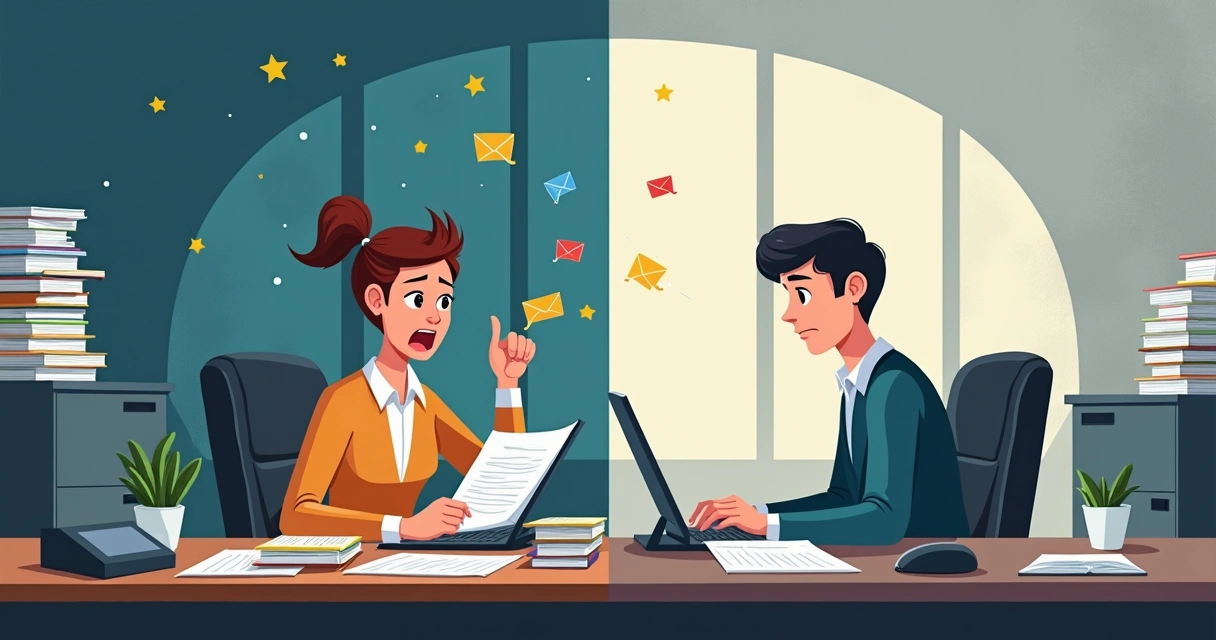
"Chronic stress may be the engine; burnout is the crash."
We see these differences unfold in the ways people talk about their days—one says, “I’m so busy, I can’t keep up.” Another, “I don’t know why I even bother anymore.”
Main causes and risk factors
In our work supporting people’s mental and emotional growth, we recognize that nobody is born stressed or burned out. These states come from circumstances, culture, and personal traits coming together.
- Unpredictable or uncontrollable workloads
- Lack of reward or recognition
- Poor social support
- Conflict between values and demands
- Long-term caregiving or high-pressure home life
- Perfectionist expectations
Imagine a parent balancing work-from-home tasks and virtual school. Or a manager who never gets a thank you, despite long hours. These scenarios can tip someone from brief stress into months or years of feeling overwhelmed, paving the way to burnout.
Symptoms: How they show up in daily life
The slideshow of symptoms is not always obvious at first. In our experience, both chronic stress and burnout can sneak up quietly, then suddenly feel unmanageable.
Chronic stress
Typically, chronic stress shows up as:
- Restlessness and trouble sleeping
- Headaches or stomach issues
- Muscle aches and tension
- Short temper or irritability
- Difficulty staying focused
- Feeling “wired but tired”
Chronic stress is like living with a low volume alarm that never shuts off.
Burnout
Burnout paints a darker picture, often:
- Feeling empty or hopeless about work or responsibilities
- Loss of enthusiasm or motivation
- Becoming detached or cynical
- Dread of the day ahead
- Decreased performance, despite more effort
- Pulling away from friends or colleagues
A person in burnout does not just want a break. They often feel they cannot recover, no matter what they try.
The physical impact: More than just mental
We often focus on thoughts and emotions, but our bodies are just as involved. Chronic stress keeps the “fight or flight” system on repeat, slowly wearing down immune health and fueling tension. Burnout can be even harder on the body, leading to frequent illness, exhaustion, and, over time, greater risks for long-term conditions.
Ignoring these warning signs can be costly for both wellbeing and daily function.
How our world is changing: Burnout and chronic stress in 2026
As we move toward 2026, the digital world is always-on. Hybrid work, gig jobs, and non-stop social media feedback loops are here to stay. We believe this shapes how chronic stress and burnout appear and spread.
Virtual workplaces can make connection harder. Constant notifications keep minds buzzing long after the work day. Expectations blur between home and office. Even young adults and teens now report burnout in ways we once saw mostly among working professionals.
In our work, we hear stories of “decision fatigue”—too many choices, not enough time—and the pressure to always be responsive, always available. This new environment means old advice on stress may not be enough anymore.
Prevention: What actually works now?
We have seen many solutions suggested over the years, but sustainable change often comes from combining practical habits with emotional awareness.
- Prioritize rest and boundaries. Set start and stop times for work—even at home.
- Make time for real social connection. Texting is not enough; true connection needs voice or face.
- Reflect on value alignment. Ask if daily routines support your real priorities or only short-term demands.
- Recognize and celebrate small wins.
- Practice stress reduction techniques. These can include quiet walks, deep breathing, or creative hobbies.
It is rarely about doing more, but about doing what matters with greater presence. Checking in with ourselves—pausing to notice how we feel each day—can be a life-changing habit.

When to get help and what to expect
Sometimes, no amount of self-care quiets the storm. We encourage seeking support if:
- Sleep remains disrupted for weeks
- Feelings of hopelessness grow
- Daily life or relationships suffer
- You feel detached or numb, far beyond tiredness
Speaking to a professional can offer clarity, new strategies, and experience that support true healing.
No one should feel shame in reaching out—it is a step toward presence and self-respect.
Looking ahead: Resilience for the future
We think resilience in 2026 calls for self-awareness and open conversations about what is manageable and what is not. While the digital age brings opportunity, it also brings risks for minds and emotions. The more we practice noticing, caring, and setting boundaries, the more we create a foundation of inner autonomy.
"Growth begins the moment we choose to pause and notice."
Conclusion
As we prepare for 2026, knowing the difference between chronic stress and burnout is not just helpful—it is shaping how we care for ourselves and each other. Chronic stress quietly erodes our energy, while burnout can reshape our outlook on life and work. Routines, rest, and support networks are all part of the response, but noticing early signs is where real change begins.
By building presence into each day, we create space to grow, recover, and move forward with clarity. The invitation, as always, is to pause, reflect, and honor what we feel.
Frequently asked questions
What is burnout and chronic stress?
Burnout is a state of emotional, physical, and mental exhaustion caused by prolonged stress, often connected to work or caregiving, while chronic stress is ongoing, long-term stress that can come from many daily sources and situations.
How can I tell them apart?
Burnout usually brings deep exhaustion, loss of motivation, and detachment or cynicism about your work or life. Chronic stress may cause symptoms like trouble sleeping, muscle tension, or irritability—but you typically still feel invested or able to function. Burnout often feels heavier, with a sense of hopelessness.
What are signs of burnout?
Key signs include feeling worn out no matter how much you rest, a growing sense of dread or negativity about your responsibilities, withdrawing from people, and struggling to care about things that once mattered to you. Performance might drop, or you may start to doubt your value.
How to prevent burnout at work?
Take regular breaks, set boundaries around work hours, clarify your priorities and values, and make time for supportive conversations with friends or colleagues. Reflect on how much you take on and aim for realistic goals. If you notice early warning signs, speak up or adjust your routine before symptoms get worse.
When should I seek professional help?
If your symptoms last for weeks, you lose hope, or day-to-day life and relationships are suffering, it is a good idea to seek support from a mental health professional. Professional help brings experience, understanding, and strategies to help you recover.