

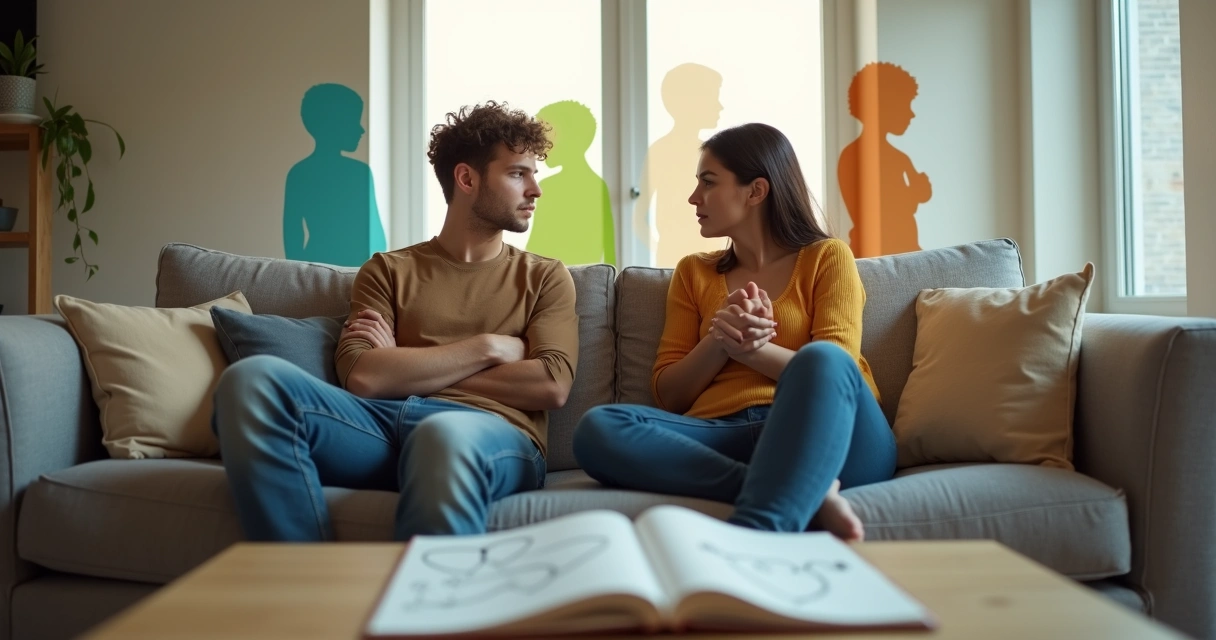
Have we ever found ourselves asking why some relationships feel stable and warm, while others stir up anxiety or emotional distance? The answer often sits deep in how we first learned to connect with our caregivers, shaping what psychologists call our attachment style. Today, we want to guide you through what these patterns mean, their lasting influence, and how recognizing them can open the door to a more connected, conscious way of relating.
Understanding attachment: The blueprint of connection
Attachment is more than a theory; it’s a lived experience. From birth, our brains are wired to seek closeness with others. As children, our caregivers teach us whether the world is safe, people are reliable, and love is something we can trust. These early lessons create blueprints used well into adulthood.
How we attach as children shapes how we love as adults.
The way these patterns develop is deep, and often out of our immediate awareness. Yet, their echoes shape nearly every close relationship we form, whether as friends, romantic partners, or even as parents ourselves.
Types of attachment: Four main styles
In our experience, understanding the four primary attachment styles helps people make sense of repeated relational dynamics. Here’s a closer look at each:
- Secure attachment: These individuals feel comfortable with closeness. They believe their needs will be met and can both depend on others and be depended upon. Their relationships are marked by warmth, stability, and open communication.
- Anxious attachment: People with this style crave closeness but worry about abandonment. They may seek reassurance and become preoccupied with partners’ availability or affection, sometimes coming across as “clingy”.
- Avoidant attachment: Those with avoidant patterns value independence over intimacy. They can feel overwhelmed by closeness, often distancing themselves emotionally or physically when relationships get intense.
- Fearful-avoidant (or disorganized) attachment: These individuals experience a push-pull dynamic. They want closeness but also fear it deeply, often due to childhood trauma or inconsistent caregiving.
Each style is adaptive. As children, they once protected us. As adults, though, these same strategies sometimes keep us from the connections we long for.
How attachment styles show up in relationships
We often see attachment patterns in the small and big moments. How quickly do we get close to someone? How do we react when a loved one is upset, distant, or seems unavailable? Attachment colors these responses, silently directing our behavior.

Secure attachment in action
Adults with secure attachment aren’t free from conflict, but they approach it with openness. They can express needs, listen to their partner, and navigate disagreements without fear of abandonment. When stress arises, they know, “I am loved, and we’ll work through this together.”
Anxious attachment in action
Those with anxious attachment may overanalyze their partner’s tone or text messages. Small issues can feel magnified. They often seek validation and may become upset if their partner wants space, reading it as rejection.
Avoidant attachment in action
For avoidant adults, intimacy triggers discomfort. They might withdraw emotionally, become "busy," or rationalize needing more time alone. Too much closeness feels risky; independence is protective.
Fearful-avoidant attachment in action
This style creates confusion. People with fearful-avoidant attachment want support but expect to be hurt if they get close. They may send mixed signals, reaching for intimacy and then retreating just as quickly.
Attachment patterns are not destiny—they are habits learned and habits can be changed.
Recognizing your own attachment style
Becoming aware of attachment style is a powerful first step. Self-awareness brings a new level of choice in relationships. We encourage reflection on questions like:
- How do we respond to conflict?
- Do we feel comfortable depending on others, or do we avoid it?
- When upset, do we seek support or withdraw?
We may also notice patterns repeating themselves, regardless of who our partner is. This can signal the influence of early attachment experiences, rather than just our current situation.

The possibility of change in attachment patterns
A question we are often asked is whether people can change their attachment style. The answer is yes—though it requires intention and effort.
Patterns formed in childhood can shift as we experience new, positive relationships, seek therapy, or commit to self-reflection.A few approaches that support growth:
- Building awareness of triggers and responses
- Learning healthy communication and boundaries
- Healing from past relational wounds
- Seeking or nurturing relationships with emotionally available people
We have seen many individuals move from anxious or avoidant styles to more secure ones, finding the trust and stability they once missed.
The impact of attachment on adult relationships
Attachment style affects more than what happens during conflict or intimacy, it shapes how we trust, forgive, and even how we parent. It defines whether relationships feel safe or uncertain.
Securely attached adults tend to form longer-lasting and more satisfying relationships, manage emotions better, and show resilience during stress. Anxious or avoidant styles might lead to more breakups, misunderstandings, or emotional ups-and-downs.
Understanding our own style allows us to break cycles that no longer serve us, offering the chance for conscious, compassionate connection.
Awareness is the first step— but action moves us toward the relationships we hope for.
Conclusion: Moving toward conscious connection
We believe recognizing and understanding attachment styles can free us from patterns that no longer serve our well-being. By reflecting on our behaviors, seeking healthier ways of relating, and opening to healing, we move closer to a life where connection feels safe, joyful, and real. Relationships become spaces for growth, not just comfort zones or sources of stress. In learning about attachment, we honor our story—and write a new chapter.
Frequently asked questions
What is an attachment style?
An attachment style is a pattern of relating to others that develops in early childhood and guides how we connect in close relationships throughout life. It shapes how we seek support, show affection, and respond to intimacy or separation.
How do attachment styles affect relationships?
Attachment styles influence how we communicate, respond to conflict, express needs, and handle closeness or distance. People with secure attachment often navigate these areas with more ease, while those with anxious, avoidant, or fearful-avoidant styles may struggle with trust, dependency, or emotional closeness.
Can I change my attachment style?
Yes, attachment styles can change with self-awareness, new relational experiences, therapy, and intentional effort. While early patterns are strong, our brains remain flexible. Positive relationships and conscious action can help shift attachment toward greater security.
How to identify my attachment style?
Notice your feelings and behaviors in close relationships. Consider questions like: Do I trust easily? Am I uncomfortable with intimacy? Do I fear abandonment? Reflecting on past relationships and how you react to stress or separation can offer clues about your style.
What are the main types of attachment?
The four main types of attachment are secure, anxious, avoidant, and fearful-avoidant (disorganized). Each style shapes how we approach closeness, express needs, and respond to stress in relationships.