


We all carry beliefs about who we are and what we deserve. Some help us grow. Others quietly erode our sense of value, shaping how we think, feel, and act each day. In our experience, many of these beliefs are learned early—so familiar, we mistake them for facts. But once we name them, something changes. We see ourselves, and our choices, with fresh eyes.
Why do our beliefs about self-worth matter?
Our beliefs about self-worth guide our actions. They shape relationships, limit our dreams, and filter every success or mistake. When those beliefs are unchallenged, we repeat old patterns—sometimes for years. By seeing them clearly, we invite change.
The 10 self-worth beliefs that hold people back
We have seen these beliefs echoed in people from all walks of life. They may feel unique, but they are surprisingly common. Each one, in its own way, keeps us smaller or more anxious than we need to be.
-
I am only worthy if I am perfect
This belief whispers that mistakes mean failure—in life, work, or love. It drives us to hide our flaws and reject our own humanity. In reality, self-worth exists even when we stumble. Growth happens in the imperfect moments. When we demand perfection, we push away self-acceptance, replacing it with self-criticism that drains our energy.
-
Others’ opinions define my value
Trusting everyone else’s judgment can feel safe at first, but it usually leads to confusion. We may bounce between roles, trying to please everyone. In our experience, this belief makes us vulnerable to criticism and dependent on praise. True self-worth is quieter. It lets us listen to feedback, but not be shaped entirely by it.
-
If I fail, I am a failure
This belief connects what we do with who we are. A single setback becomes a sign that we are flawed or unworthy. But failure is an event, not an identity. When we change our response to setbacks, we reclaim our hope and motivation. Forward movement becomes possible again.
-
My worth depends on what I achieve
Achievements feel good, but tying our value to success alone is exhausting. It leads to anxiety and burnout. We have noticed that people who hold this belief feel endless pressure—they cannot rest without guilt. Lasting self-worth does not hinge on performance. It comes from how we treat ourselves in quiet moments, not just public victories.
-
I must always put others before myself
Helping others can be meaningful. But when we always put our needs last, resentment grows and our sense of self blurs. This belief often emerges from fears of being selfish. In practice, it keeps us from honoring our boundaries and pursuing joy for ourselves.
-
I am not enough as I am
We all have days when we wish we were better, brighter, or braver. But if we always feel like we fall short, the belief becomes a backdrop to our whole life. This belief can paralyze us, keeping us from taking chances and accepting kindness. Accepting ourselves does not mean stopping growth—it means starting from wholeness.
-
People will leave if they see my true self
This belief causes us to hide parts of who we are. We wear masks, avoid vulnerability, or “shrink” to fit others’ expectations. The cost is deep—real connection and a sense of belonging become impossible.
-
My past mistakes define me forever
This belief keeps us locked in old stories. We replay regrets, assuming we are stained by what happened before. The truth is, people can change, and the past does not erase our worth. Growth means learning, forgiving, and letting go.
-
I must earn love and acceptance
If we believe love must be earned, we may work tirelessly to please, overextend ourselves, or lose our voice in relationships. But genuine love is not a transaction. Accepting this truth gives us freedom to choose our relationships and feel safe in them.
-
If I show my needs, I am weak
This belief encourages us to stay silent when we are struggling. We hide pain or pretend we never need help. The irony is, sharing our needs builds trust and connection. Vulnerability, not denial, is what brings people closer.
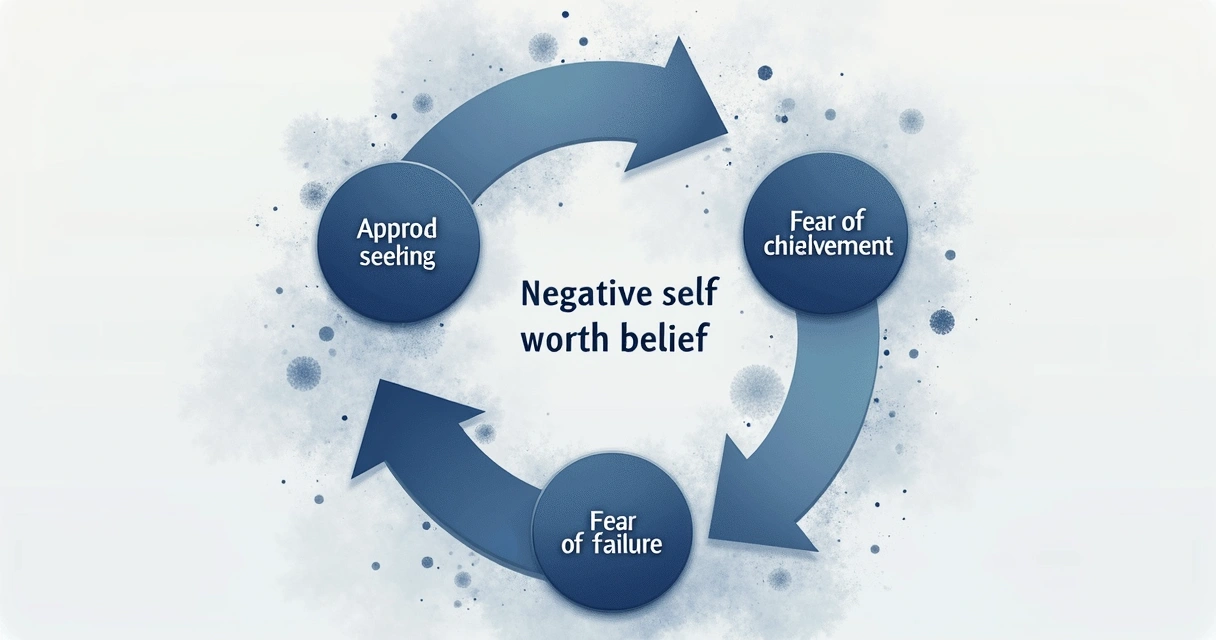
Where do these beliefs come from?
Many of us pick up these beliefs early in life. Sometimes, they come from family messages—spoken or implied. Other times, they grow from social norms, old hurts, or repeated criticism. Over time, they become stories we live by, rarely questioning if they are still true.
Unquestioned beliefs shape our reality.
As adults, we have the chance to choose our beliefs. When we ask, “Is this true? Is it helping me?” we make room for new possibilities.
How do these beliefs show up in daily life?
Self-worth beliefs do not just stay in our minds. We carry them into work, relationships, and quiet moments alone. In our view, some patterns show up again and again:
- Hesitation to try new things—Fearing failure, we may play small or avoid risk.
- Difficulty accepting compliments—We brush them off, thinking we don’t deserve them.
- Overcommitting and people-pleasing—We say yes to everything, afraid of letting others down.
- Chronic self-criticism—We judge ourselves harshly for small mistakes.

Even a single limiting belief, repeated quietly, can have far-reaching effects. Yet the process is not permanent. When we shine a light on these patterns, change begins.
How we can begin to change these beliefs
Challenging self-worth beliefs is a gradual practice. We have found that true change requires patience and self-compassion. Here are some gentle ways to start:
- Notice your inner talk. Catch old phrases that put you down, even silently.
- Ask yourself if the belief is true—or if it is only a habit.
- Try adopting a new, kinder belief. Repeat it, just as persistently as the old one.
- Share with trusted people. Sometimes, voicing old stories helps us see them more clearly.
- Remember, everyone has value—your own included.
Conclusion
We all live with beliefs that influence our sense of worth, sometimes for years. Some protect us, while others keep us from the experiences we long for. Naming these beliefs is the first step toward something better. In our perspective, growth starts when we see our value as steady, regardless of mistakes, successes, or outside opinions.
Frequently asked questions
What is self-worth?
Self-worth is the sense of value and respect we hold for ourselves, independent of achievements or other people’s opinions. It forms the foundation for how we treat ourselves and relate to the world. When we believe in our own worth, decisions, relationships, and self-care become simpler and more genuine.
How do beliefs shape self-worth?
Beliefs act like silent scripts in our minds. They color how we judge ourselves, set boundaries, take risks, and even how we recover from mistakes. Positive beliefs help us grow, while limiting beliefs often hold us back and reinforce feelings of insecurity.
How can I boost my self-worth?
We suggest starting small: notice self-talk, challenge old beliefs, and treat yourself with understanding, especially after setbacks. Surrounding yourself with supportive people, setting boundaries, and practicing self-care also reinforce a more grounded sense of value. Change comes with practice, not overnight.
What are signs of low self-worth?
Common signs include chronic self-criticism, difficulty accepting compliments, feeling undeserving of good things, overcommitting, and avoiding new opportunities out of fear. If you find yourself shrinking from acknowledgment or comparing yourself harshly to others, low self-worth beliefs may be at play.
Can self-worth affect daily life?
Yes, self-worth beliefs affect choices, relationships, mood, and resilience. They help determine what we tolerate, what we risk, and how kindly we treat ourselves day to day. Shifting these beliefs can make life feel more open and connected.